

Route-to-store hardware for Hong Kong delivery teams
Direct Store Delivery Hardware and Mobile Printing
Connect depot loading, vehicle checks, store arrival, unloading, returns and route closeout with hardware at the physical hand-off. Easy Scan can help assess mobile computers, scanners, rugged tablets, mobile printers, labels, accessories and deployment support.
Overview
Connect depot loading, route work and store hand-off
Verify goods, record the store hand-off and print documents where required. This page follows the physical checkpoints, records and hand-offs that should be understood before product categories are narrowed or a deployment is planned.
The primary equipment review covers Mobile computers, Barcode scanners, Mobile printers, Rugged tablets, Labels and ribbons. Easy Scan can help match these categories to the site, workload, identification samples, connectivity, power and support route; exact configuration remains subject to application and compatibility checks.
- Operating scope:Start with the authorised route, stop and load records
- Critical hand-off:Confirm the store load before the vehicle leaves the depot
- Equipment bundle:Review Mobile computers, Barcode scanners, Mobile printers, Rugged tablets, Labels and ribbons by work point instead of beginning with individual models.
- Deployment evidence:Use representative users, items, locations and exceptions during the site walkthrough.
Route and store order
Start with the authorised route, stop and load records
Direct store delivery links the depot, vehicle and store. Before loading, define the route, ordered goods, return expectations, documents and responsibility at every stop.
Route
The approved vehicle, driver, stop sequence and departure window. Review this route task at the depot, vehicle and hand-over points named above. Mounting or carrying, power, connectivity and record synchronisation should reflect where the operator actually works.
Store order
The authorised items, quantities and store or customer reference. Use the item, location, unit and quantity rules required at this checkpoint to prepare the scan or entry screen. When the physical result differs from the expected record, preserve the discrepancy for review instead of forcing a match.
Return expectation
Goods, crates, containers, documents or other approved items due back. Use representative returned goods to check how this status is recorded and handed to the next responsible area. Commercial disposition remains with the authorised business role, while hardware supports identification and evidence capture.
Record owner
The system and person responsible for each load, delivery and exception state. Review this step with the employees who perform and supervise it. Confirm that the instruction, status choices and escalation wording are understood consistently across the intended shift or work area.
Vehicle loading
Confirm the store load before the vehicle leaves the depot
- Vehicle and route:Open the correct vehicle, route and current loading task.
- Store or stop:Keep cartons, totes, crates or products linked to the intended delivery point.
- Load identity and count:Use the agreed barcode, label, item and quantity check.
- Difference handling:Hold an extra, missing, damaged or unreadable unit for the approved decision.
Departure readiness
Close loading only when the route kit and records agree
Hardware ready
Device, scanner, printer, battery, charger, mount and connection are checked. Use the output required at this checkpoint to assess the print point, expected workload and operator handling. The printer, connection and consumables should be tested as one setup with the real label format.
Media and documents ready
Labels, receipt media, store copies and authorised route documents are available. Test the intended surface and environment with the actual barcode layout. Confirm whether direct thermal or thermal transfer is required, then review the consumable as part of the complete print workflow.
Open exceptions retained
Unresolved load differences remain visible and assigned before departure. Test this step with representative items and records from the required workflow. Confirm what the operator can decide here and which condition must be handed to an authorised reviewer.
Store arrival
Confirm the delivery point and permitted recipient before unloading
The application should present the authorised stop, order or customer reference. Define which location and recipient information the delivery process is allowed to use and retain.
- Stop reference:The current route stop, store or customer account.
- Delivery position:The permitted entrance, receiving area, loading bay or service point.
- Recipient:The authorised role or person required by the delivery procedure.
- Arrival exception:Closed site, wrong address, refused access or changed instruction.
Unload and store hand-off
Reconcile the physical unload with the authorised store order
Check the store or stop before counting, scanning or confirming goods. Keep accepted, short, extra, damaged and refused items as separate states.
Where the store workflow requires it, record the permitted recipient response and produce the approved label, receipt or document.

Returns and exchange items
Keep returned goods, crates and replacements separate from delivered stock
- Returned goods:Record the approved reason, item, quantity, condition and next handling route.
- Reusable crate or container:Confirm the physical unit collected from the correct store or stop.
- Replacement or exchange:Link the issued and collected items to the authorised transaction.
- Depot return state:Keep store returns distinct until they reach the designated receiving or review point.
DSD product categories
Choose product types for depot, vehicle and store work
Selection depends on the application, screen, scanning, printing, connection, battery, vehicle mount, carrying, store conditions and required media. Verify the complete field kit.
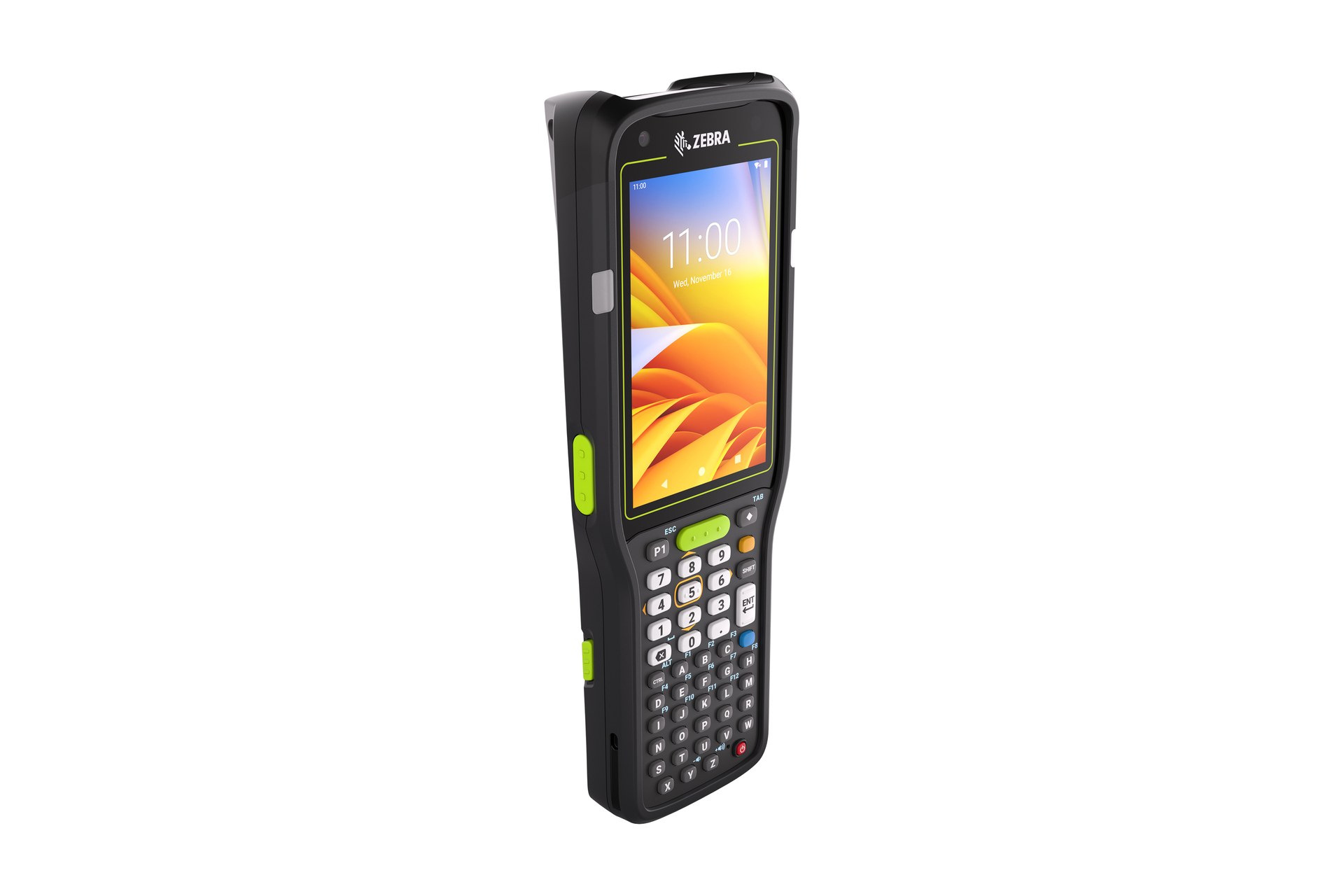
Mobile Computers
For route tasks combining instructions, input, scanning and permitted evidence. Use a representative shift to confirm that instructions, scanning and status entry remain practical while the employee moves between the required work points. Include the intended case, cradle or other required accessory in the review.

Barcode Scanners
For a fixed or paired-device point where goods are presented for scanning. Test representative barcodes in the work position required at this checkpoint, including the normal scan distance, label presentation and host connection. This confirms whether the scanner category fits the actual item flow before individual products are compared.

Mobile Printers
For approved labels, receipts or documents beside the vehicle or at the store. Match this print point to where and when the label is produced, then review print method, label size, connection, placement and media replenishment. Check a print sample on the intended surface before narrowing the printer category.

Rugged Tablets
For routes or store work needing a larger screen, subject to mount and carrying checks. Test the larger-screen work at its intended location and while moving if required. Check how the user holds or mounts the tablet, enters information and returns it for charging or hand-off.

Labels and Ribbons
For item, crate and document identification matched to the surface and route conditions. Test the intended surface and environment with the actual barcode layout. Confirm whether direct thermal or thermal transfer is required, then review the consumable as part of the complete print workflow.
Labels and ribbons
Treat labels and ribbons as part of the working hardware system
A printer or mobile-printing decision is incomplete until the label is matched to the item, package, location or document used at this work point. Size, material, adhesive, surface, barcode layout and expected life all affect whether the identification remains usable.
For thermal-transfer printing, the ribbon also needs to suit the label material and printer configuration. Bring representative packaging, current labels and print samples so the printer, label and ribbon can be reviewed as one combination.
- Purpose and size:Define what the label identifies, the available space and the information or barcode it must carry.
- Surface and adhesive:Check cardboard, plastic, metal, reusable containers and any curved, cold or difficult surface.
- Environment and working life:Record temperature, moisture, abrasion, handling and how long the print must remain readable.
- Print method and ribbon:Confirm direct thermal or thermal transfer, then match the ribbon where thermal-transfer printing is used.
Mobile output and documents
Define what the driver prints, where and for whom
Store receipt or delivery copy
Use the approved content and define which party retains each copy. The completed record should show the next user what was checked, what changed and what still requires attention, so the expected hand-off is clear at the real work point.
Item or return label
Match size, content, surface, environment and required life. Use representative returned goods to check how this status is recorded and handed to the next responsible area. Commercial disposition remains with the authorised business role, while hardware supports identification and evidence capture.
Route document
Keep the printed or digital record linked to the correct stop and order. The hand-off should provide a status that the next work area can act on. If the record and physical condition do not agree, preserve the difference for review rather than replacing the earlier status.
Reprint control
Record why output is replaced and remove or mark superseded identification. The hand-off should provide a status that the next work area can act on. If the record and physical condition do not agree, preserve the difference for review rather than replacing the earlier status.
Vehicle field kit
Plan mounting, carrying, shift power and connection together
- Cab position:Check mount, visibility, reach, removal and stationary interaction.
- On-person carrying:Check holster, strap, handle, weight and safe access during unloading.
- Power and charging:Compare route length and task volume with battery and return charging.
- Connection:Test representative depot, route and store conditions with the selected application.
Delivery exceptions
Keep shortages, extras, damage and refusals visible
Short quantity
Record the confirmed missing item or quantity against the store order. Use the item, location, unit and quantity rules required at this checkpoint to prepare the scan or entry screen. When the physical result differs from the expected record, preserve the discrepancy for review instead of forcing a match.
Extra or wrong goods
Do not merge an unmatched unit into the accepted delivery. Keep the physical item, its identification and the resulting status connected throughout the process. If one element is missing, follow the page's exception route before the workflow continues.
Damage
Use the approved hold, evidence and return decision. Test the evidence step at the real hand-over point, including how the operator finds the correct record and what happens when the expected proof cannot be collected. Keep the evidence separate from the commercial approval decision.
Refusal
Record the permitted reason, recipient response and next handling route. Keep the physical item, its identification and the resulting status connected throughout the process. If one element is missing, follow the page's exception route before the workflow continues.
Route closeout
Reconcile deliveries, returns, documents and devices at the depot
- Completed and open stops:Separate delivered, partial, refused, rescheduled and unresolved work.
- Returns and reusable assets:Hand returned goods, crates and other units to the correct depot owner.
- Device and document return:Return shared hardware, charge batteries and retain the approved route records.
Secondary SME ERP layer
Connect store delivery events to sales and inventory records when supported
If the selected SME ERP or business system holds the relevant customer, order, item, quantity, return and document records, a supported hand-off can be scoped. Confirm fields, identifiers, permissions, timing, exception handling and the available interface.
Order and store reference
Keep the delivery event tied to the authorised customer transaction. The completed record should show the next user what was checked, what changed and what still requires attention, so the expected hand-off is clear at the real work point.
Delivered and returned quantity
Map only the confirmed item, quantity, status and responsible action. Keep the returned item, its recorded identity and its current physical status together at this step. If they do not agree, route the item to the required exception review instead of overwriting the original record.
Document reference
Define where receipts, labels and delivery or return records are retained. Use the label purpose required at this checkpoint to confirm size, material, adhesive and expected life against representative surfaces. If thermal-transfer printing is involved, check the ribbon together with the printer and label rather than as a separate purchase.
Integration scope
Verify the source, destination, interface, timing and exception owner. Map the identifiers and status fields required at this checkpoint to the existing source record before configuring an interface. Define validation, duplicate prevention and retry handling so a device submission does not create an ambiguous transaction.
Connected delivery flows
Review field, proof, fleet and service boundaries

Field Operations
Plan the wider dispatch, on-site and business-record hand-off. Use the site conditions required at this checkpoint to confirm placement, cable or wireless reach, charging and safe access for support. Record constraints before selecting a product configuration or planning installation.

Proof of Pick-up and Delivery
Define the identity, time, location and permitted proof at each hand-off. Specify which permitted evidence is needed for the hand-off required at this checkpoint and how it is tied to the correct order, asset or service record. Access, retention and exception handling should follow the organisation's approved process.

Fleet Management
Connect vehicle checks, driver hand-offs and route equipment. Review this route task at the depot, vehicle and hand-over points named above. Mounting or carrying, power, connectivity and record synchronisation should reflect where the operator actually works.

Field Service
Separate delivery transactions from service jobs, parts and site work. Use the site conditions required at this checkpoint to confirm placement, cable or wireless reach, charging and safe access for support. Record constraints before selecting a product configuration or planning installation.
DSD review inputs
Walk one store route from depot loading to return
- Route and stops:Vehicle, driver, store sequence, loading, arrival, unloading and return points.
- Goods and exchange items:Orders, cartons, products, returns, crates, replacements and exceptions.
- Hardware and media:Devices, scanners, printers, labels, receipt media, mounts, chargers and batteries.
- Applications and records:Customer, order, inventory, documents, connection, permissions and exception ownership.
Direct store delivery FAQ
Questions to answer before selecting DSD hardware
What is different about direct store delivery hardware?
It must support a route that connects depot loading, vehicle work, store hand-offs, returns and route closeout under the selected application.
When is a mobile printer useful for store delivery?
It may suit approved labels, receipts or documents needed beside the vehicle or at the store, subject to media, connection, carrying and power checks.
How should shortages or refused goods be recorded?
Keep accepted, short, extra, damaged and refused items as separate states, with the approved reason, response and next handling route.
Can store delivery work continue offline?
Only if the selected application supports the required offline action. Test reconnection, synchronisation, changed orders, duplicates and conflicts.
Does the hardware update SME ERP automatically?
No. A data hand-off requires relevant records, agreed fields and identifiers, permissions, timing, exception handling and a supported interface.
What should we prepare for an Easy Scan review?
Share one route, store order, vehicle load, returns, documents, devices, application, connection, power arrangements and common exceptions.
Map your direct store delivery route with Easy Scan
Show us how goods move from depot loading through store delivery and back with returns and records. We can then discuss device categories, mobile printing, media and verification steps.