

Materials identification hardware for Hong Kong operations
Materials Management with Barcode Tracking
Identify materials from receipt and storage through issue, use and return. Easy Scan helps match barcode scanners, mobile computers, label printers, consumables and technical support to storerooms, production supply, maintenance stores and other controlled material work points.
Overview
Keep material identity and custody clear throughout use
Identify materials across receipt, storage, issue and return activities. This page follows the physical checkpoints, records and hand-offs that should be understood before product categories are narrowed or a deployment is planned.
The primary equipment review covers Barcode scanners, Mobile computers, Barcode printers, Labels and ribbons. Easy Scan can help match these categories to the site, workload, identification samples, connectivity, power and support route; exact configuration remains subject to application and compatibility checks.
- Operating scope:Decide what must be identified before choosing the device
- Critical hand-off:Keep one identity through receipt, storage, issue and return
- Equipment bundle:Review Barcode scanners, Mobile computers, Barcode printers, Labels and ribbons by work point instead of beginning with individual models.
- Deployment evidence:Use representative users, items, locations and exceptions during the site walkthrough.
Material identity
Decide what must be identified before choosing the device
A materials workflow may control consumables, components, spare parts, tools, packaging or other approved stock. Define whether the operation tracks a material type, batch, package, individual item or returnable container, and do not add detail that the physical process cannot maintain.
Material or part
The approved identifier used to distinguish the stock being stored or issued. Test this checkpoint with representative items and locations, including duplicate, missing or unreadable identification where relevant. The next action should follow the required exception path and keep the original count visible.
Package or handling unit
The carton, bin, reel, pallet or other unit employees physically move and scan. The completed record should show the next user what was checked, what changed and what still requires attention, so the expected hand-off is clear at the real work point.
Controlled attribute
Only capture batch, expiry, condition or another field when the source record and workflow require it. Use a small set of representative records to test the hand-off between capture and the business system. Confirm field ownership, accepted values and how rejected or incomplete records return to the responsible user.
Responsible owner
State who may create, relabel, issue, return, adjust or close the material record. Turn the responsibility required at this checkpoint into a clear instruction for the relevant role. The user should know the required input, permitted decision and named escalation route before this task is added to daily work.
Material cycle
Keep one identity through receipt, storage, issue and return
- 1. Receive:Connect the physical material to an authorised inbound or transfer reference.
- 2. Identify:Read existing identification or create an approved internal label at a controlled point.
- 3. Store:Confirm the material and destination location before the movement is closed.
- 4. Issue:Record the approved quantity moving to a person, job, department, machine or use area.
- 5. Return:Verify the unused, returnable or rejected material and route it to the permitted location.
- 6. Reconcile:Investigate physical and recorded differences through an authorised count or adjustment process.
Material record
Present the fields needed for the decision at hand
The application owner must define the authoritative record and validation rules. A scan can identify the material or location, but it does not decide an issue quantity, substitution or adjustment by itself.
Material identifier
The approved stock, part, package or handling-unit code. Use the item, location, unit and quantity rules required at this checkpoint to prepare the scan or entry screen. When the physical result differs from the expected record, preserve the discrepancy for review instead of forcing a match.
Quantity and unit
The amount being received, moved, issued, returned or counted under the permitted process. Check this requirement at the required work point with its actual power, connectivity, space and operator movement. Include the intended mount, cradle, charger or other required accessory so the review covers the complete setup.
Source and destination
The store, bin, person, job, area or other approved hand-off points. Test this step with representative items and records from the required workflow. Confirm what the operator can decide here and which condition must be handed to an authorised reviewer.
Status and reference
The transaction, work request or reason that authorises the movement. The hand-off should provide a status that the next work area can act on. If the record and physical condition do not agree, preserve the difference for review rather than replacing the earlier status.
Location control
Distinguish the store from the point of use
Materials can move between a main store, issue counter, line-side area, maintenance cage, vehicle, job site or return zone. Give each controlled location a clear identity and define when a transfer is complete.
- Main or reserve store:Hold approved stock and release it through the permitted issue or replenishment route.
- Issue counter:Confirm the requester, material, quantity and destination before hand-off.
- Point of use:Identify the production, maintenance, project or service area receiving the material.
- Return or hold zone:Separate unused, damaged, unknown or restricted material until an authorised decision is recorded.
Issue control
Connect every issue to an approved recipient or purpose
Before material leaves the store, define what identifies the receiver and which reference permits the issue. The receiver may be a person, work order, department, machine, project, vehicle or controlled area according to the existing process.
Authorised request
Open the issue from the permitted request, allocation or instruction. Turn the responsibility required at this checkpoint into a clear instruction for the relevant role. The user should know the required input, permitted decision and named escalation route before this task is added to daily work.
Material and quantity check
Scan the stock and record the approved amount actually handed over. Check this requirement at the required work point with its actual power, connectivity, space and operator movement. Include the intended mount, cradle, charger or other required accessory so the review covers the complete setup.
Recipient confirmation
Record the person, job or area receiving the material using the agreed method. Keep the physical item, its identification and the resulting status connected throughout the process. If one element is missing, follow the page's exception route before the workflow continues.
Material paths
Separate consumed stock from items expected to return
A consumable normally leaves available stock when issued; a returnable item, tool or container may require custody, condition and return checkpoints. Define the correct path before setting the screen, barcode and label workflow.
The operation should not treat every material as individually traceable unless the physical identity and approved record support that level of control.

- Consumed:Record the approved quantity issued to the person, job or area.
- Partially returned:Verify the remaining quantity and return destination through the permitted workflow.
- Returnable:Maintain the agreed custody and condition checkpoints until the item returns or is otherwise closed.
Materials product categories
Choose the product type for identification, movement and issue
Product selection follows the barcode, operator movement, screen input, print point, environment, accessories, connectivity and label requirements. Each deployment needs verification at the actual work points.

Barcode Scanners
For material, location, request and recipient capture at a verified workstation. Use the real item, package or location codes from this checkpoint to review scan angle, distance, operator movement and connection. Include difficult but valid samples so the selection is based on the working environment.

Mobile Computers
For employees moving between stores, issue points, use areas and return zones. Build the trial around the on-screen task and data entry required at this checkpoint. Check scanning, keypad or touch input, carrying method, charging and required connectivity as one mobile workflow.

Barcode and Label Printers
For controlled stock, bin, package, return and holding identification. Use the output required at this checkpoint to assess the print point, expected workload and operator handling. The printer, connection and consumables should be tested as one setup with the real label format.

Labels and Ribbons
For material and location identification matched to the surface and operating environment. Test the intended surface and environment with the actual barcode layout. Confirm whether direct thermal or thermal transfer is required, then review the consumable as part of the complete print workflow.
Labels and ribbons
Treat labels and ribbons as part of the working hardware system
A printer or mobile-printing decision is incomplete until the label is matched to the item, package, location or document used at this work point. Size, material, adhesive, surface, barcode layout and expected life all affect whether the identification remains usable.
For thermal-transfer printing, the ribbon also needs to suit the label material and printer configuration. Bring representative packaging, current labels and print samples so the printer, label and ribbon can be reviewed as one combination.
- Purpose and size:Define what the label identifies, the available space and the information or barcode it must carry.
- Surface and adhesive:Check cardboard, plastic, metal, reusable containers and any curved, cold or difficult surface.
- Environment and working life:Record temperature, moisture, abrasion, handling and how long the print must remain readable.
- Print method and ribbon:Confirm direct thermal or thermal transfer, then match the ribbon where thermal-transfer printing is used.
Store and mobile work points
Match device handling to how material is picked up and moved
Store counter
Review screen position, package presentation, scanner reach, receipt or label printing and queue handling. Match this print point to where and when the label is produced, then review print method, label size, connection, placement and media replenishment. Check a print sample on the intended surface before narrowing the printer category.
Aisle movement
Check carrying, one-handed use, gloves, scan distance and movement with bins, cartons or trolleys. Test this step with representative items and records from the required workflow. Confirm what the operator can decide here and which condition must be handed to an authorised reviewer.
Cart or vehicle
Define mounting, power, safe reach, network coverage and when source and destination are confirmed. Review this route task at the depot, vehicle and hand-over points named above. Mounting or carrying, power, connectivity and record synchronisation should reflect where the operator actually works.
Point-of-use station
Confirm who records consumption or return, where the device stays and how unidentified material is handled. The completed record should show the next user what was checked, what changed and what still requires attention, so the expected hand-off is clear at the real work point.
Material exceptions
Keep shortages, damage and substitutions under control
- Insufficient quantity:Record what is available and leave the unmet amount under an approved follow-up route.
- Damaged or restricted material:Move it to the defined hold or inspection location without returning it to normal stock.
- Requested substitution:Only an authorised person or application rule may approve another material; a scan only verifies the selected identity.
- Unreadable identification:Send the stock to a controlled identification and relabelling point before issue or storage.
Stock record
Reconcile the physical material with authorised movements
Each receipt, move, issue and return should end with a defined status and owner. Count differences need investigation; scanning the same label again does not establish the correct quantity.
Accepted movement
The material, quantity, source, destination and reference checks have passed. Test this checkpoint with representative items and locations, including duplicate, missing or unreadable identification where relevant. The next action should follow the required exception path and keep the original count visible.
Open difference
The physical quantity or identity remains under review with a named owner. Test this checkpoint with representative items and locations, including duplicate, missing or unreadable identification where relevant. The next action should follow the required exception path and keep the original count visible.
Authorised adjustment
A permitted count or decision records the reason and closes the difference. Test this checkpoint with representative items and locations, including duplicate, missing or unreadable identification where relevant. The next action should follow the required exception path and keep the original count visible.
Connected material flows
Review the warehouse steps that supply and consume material
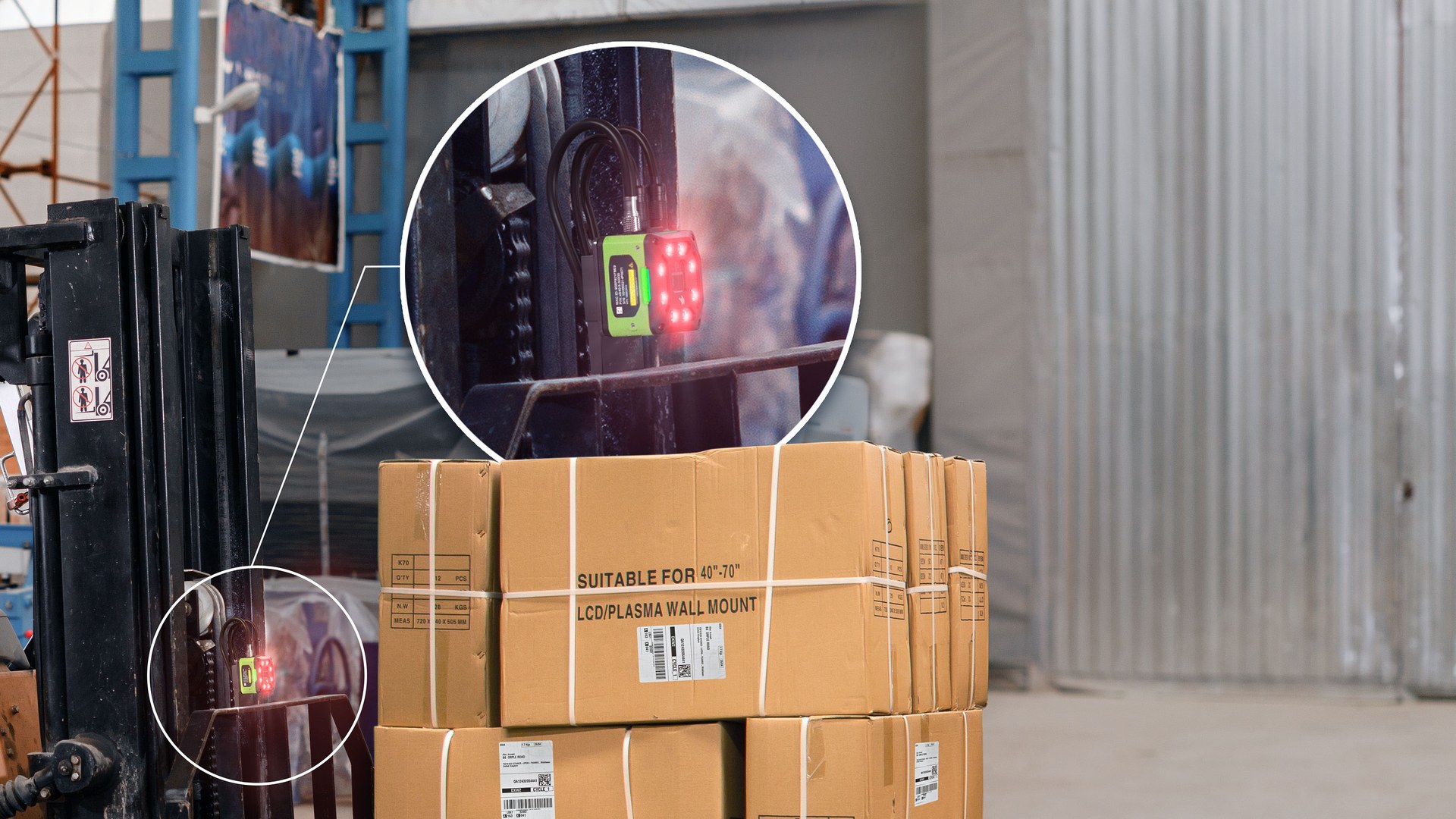
Receiving
Identify incoming material and release only accepted stock to storage. Test this checkpoint with representative items and locations, including duplicate, missing or unreadable identification where relevant. The next action should follow the required exception path and keep the original count visible.

Put-away and Replenishment
Confirm source and destination when material enters storage or replenishes an issue point. Keep the physical item, its identification and the resulting status connected throughout the process. If one element is missing, follow the page's exception route before the workflow continues.
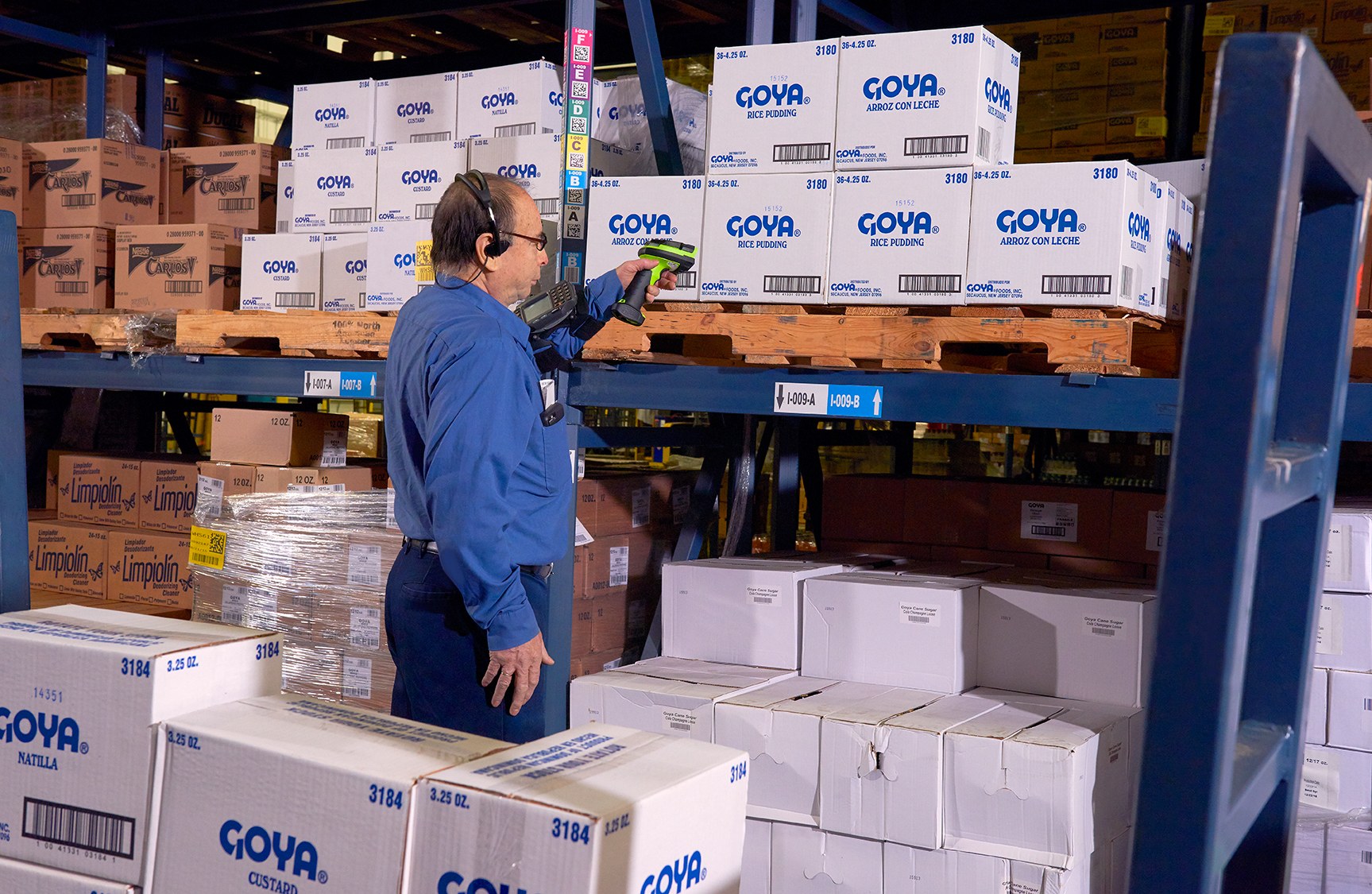
Picking
Guide and verify material selected for a request, job or downstream process. Keep the physical item, its identification and the resulting status connected throughout the process. If one element is missing, follow the page's exception route before the workflow continues.

Inventory Counting
Investigate physical and recorded quantity differences through a controlled count. Use the item, location, unit and quantity rules required at this checkpoint to prepare the scan or entry screen. When the physical result differs from the expected record, preserve the discrepancy for review instead of forcing a match.
Site review inputs
Walk the material route before selecting hardware
- Material and package samples:Real items, bins, cartons, reels, tools or containers with their current identification.
- Location and hand-off map:Receiving, stores, issue counters, use areas, vehicles, return zones and holding locations.
- Operator handling:Gloves, loads, reach, carrying, carts, vehicles, screens, power, charging and safe scan points.
- Application decisions:Required fields, issue authority, return rules, substitution approval, count ownership and network coverage.
Materials FAQ
Materials management questions
Which materials should receive barcode identification?
Use barcode identification where an approved material, package, location or returnable record must be verified at a physical work point.
Should every material be tracked individually?
No. Choose the level supported by the physical identity and approved process, such as material type, batch, package, handling unit or individual returnable item.
Can a scanner approve a substitute material?
No. A scanner verifies identity. Substitution requires an authorised person or an approved application rule.
When is a mobile computer useful?
It can suit staff moving between stores, issue points, use areas and return zones when the application, connection and handling are verified.
How should returned material be handled?
Verify its identity, quantity and condition, then route it to the approved storage, inspection, holding or disposal process.
What should we prepare for an Easy Scan review?
Share material and barcode samples, locations, issue and return routes, users, current devices, print points, network, application screens and common differences.
Map your material movement with Easy Scan
Show us how materials are received, stored, issued, used and returned, including current labels and exception routes. We can then discuss the relevant product categories and verification steps.