


Frontline communication hardware for Hong Kong operations
Team Communication Hardware for Warehouse and Logistics
Help warehouse, depot, vehicle and field teams receive approved instructions, report exceptions and confirm hand-offs at the work point. Easy Scan can help assess mobile computers, rugged tablets and accessories against the actual application, network and operating environment.
Overview
Equip operational teams for clear instructions and escalation
Help frontline teams receive instructions and share operational updates. This page follows the physical checkpoints, records and hand-offs that should be understood before product categories are narrowed or a deployment is planned.
The primary equipment review covers Mobile computers, Rugged tablets. Easy Scan can help match these categories to the site, workload, identification samples, connectivity, power and support route; exact configuration remains subject to application and compatibility checks.
- Operating scope:Define the work event before choosing a device
- Critical hand-off:Map who needs to reach whom across the operation
- Equipment bundle:Review Mobile computers, Rugged tablets by work point instead of beginning with individual models.
- Deployment evidence:Use representative users, items, locations and exceptions during the site walkthrough.
Communication event map
Define the work event before choosing a device
A useful communication plan identifies what starts a message, who owns it, who must receive it, what response is required and how the event closes. Hardware should fit that route rather than stand in for an undefined process.
Trigger
A task assignment, hand-off, delay, mismatch, equipment issue or approved alert. Keep the physical item, its identification and the resulting status connected throughout the process. If one element is missing, follow the page's exception route before the workflow continues.
Owner
The coordinator, supervisor, operator, driver or service team responsible for the next action. Turn the responsibility required at this checkpoint into a clear instruction for the relevant role. The user should know the required input, permitted decision and named escalation route before this task is added to daily work.
Response
The permitted acknowledgement, status update, evidence or request for help. Build the trial around the on-screen task and data entry required at this checkpoint. Check scanning, keypad or touch input, carrying method, charging and required connectivity as one mobile workflow.
Closeout
The recorded result, unresolved exception and person responsible for follow-up. Keep the physical item, its identification and the resulting status connected throughout the process. If one element is missing, follow the page's exception route before the workflow continues.
People and hand-offs
Map who needs to reach whom across the operation
- Control desk to frontline:Send approved tasks or changes to the correct person, zone, vehicle or work group.
- Frontline to supervisor:Report a blocked task, identity mismatch, damage or other defined exception.
- Team to team:Confirm receiving, staging, loading, dispatch or field hand-offs between owners.
- Shift to shift:Retain unfinished work, current status and named follow-up responsibility.
Message design
Separate routine instructions from exceptions and urgent alerts
Different events may need different presentation, response and retention rules. The approved application defines how they are created, prioritised, delivered and recorded.
Routine task
A normal assignment, move, pick-up, inspection or service instruction. Review this step with the employees who perform and supervise it. Confirm that the instruction, status choices and escalation wording are understood consistently across the intended shift or work area.
Operational exception
A mismatch, blockage, delay, damage or missing information needing a decision. Test this step with representative items and records from the required workflow. Confirm what the operator can decide here and which condition must be handed to an authorised reviewer.
Urgent approved alert
A time-sensitive notice handled under the organisation’s established procedure. The completed record should show the next user what was checked, what changed and what still requires attention, so the expected hand-off is clear at the real work point.
Work-point requirements
Match device and accessory handling to the real work position
- Control desk:Screen, keyboard, scanning, charging and coordination with current applications.
- Walking operator:Carrying, one-hand input, scan distance, gloves, screen visibility and charging.
- Vehicle position:Mount, power, cab access, connection and safe stationary interaction.
- Hands-busy work:Only assess wearable or audio accessories with the actual task, device and application.
Warehouse audio and wearable work
Test communication accessories without assuming software functions
A headset, wearable screen or accessory may support a verified application, but the hardware alone does not provide a communication service. Check device support, audio routing, controls, hygiene, shared use, charging, licences and the approved software.
Listen and respond
Confirm whether the task needs audio, on-screen prompts, buttons, touch or scanning. The hand-off should provide a status that the next work area can act on. If the record and physical condition do not agree, preserve the difference for review rather than replacing the earlier status.
Shared accessory hygiene
Define cleaning, replaceable contact parts, storage and assignment between users. Check this requirement at the required work point with its actual power, connectivity, space and operator movement. Include the intended mount, cradle, charger or other required accessory so the review covers the complete setup.
Fit during movement
Test comfort, visibility, hearing requirements, reach and safe use in the actual zone. The completed record should show the next user what was checked, what changed and what still requires attention, so the expected hand-off is clear at the real work point.
Application boundary
Verify the communication platform, licences, accounts and supported accessory controls separately. Turn the responsibility required at this checkpoint into a clear instruction for the relevant role. The user should know the required input, permitted decision and named escalation route before this task is added to daily work.
Vehicle, yard and field hand-offs
Keep off-site teams connected to approved operational updates
Drivers, yard teams and field staff may work beyond the warehouse desk. Define when they receive an instruction, what they can update and when a supervisor must take over.
Coverage, roaming, vehicle mounting, power, noise and safe interaction must be tested on the actual route. The page does not establish network coverage.

Product categories
Choose device types for frontline instructions and responses
Confirm the current application, operating system, input, audio accessories, camera or scanning requirement, connection, charging and device management before selection.

Mobile Computers
For mobile work that combines on-screen instructions, input and scanning. Use a representative shift to confirm that instructions, scanning and status entry remain practical while the employee moves between the required work points. Include the intended case, cradle or other required accessory in the review.

Rugged Tablets
For workflows needing a larger screen, subject to carrying or mounting checks. Test the larger-screen work at its intended location and while moving if required. Check how the user holds or mounts the tablet, enters information and returns it for charging or hand-off.
Interaction form factors
Decide how each user will hear, see and respond
- Screen and touch:For structured tasks, lists, forms, images and clear acknowledgement controls.
- Physical controls:For tested actions where gloves, movement or limited screen access affect input.
- Audio accessory:For a supported application after noise, fit, hygiene and control tests.
- Scan or image input:For linking a message or exception to the correct item, asset, location or document.
Solution boundaries
Verify hardware, network, software and licences as separate layers
Easy Scan can help assess endpoint hardware and deployment requirements. The selected communication function still depends on a verified application, accounts, licences, server or cloud arrangement, network coverage, security policy and administration.
Endpoint hardware
Device, accessory, mount, charger, battery and supported input or audio path. Use the site conditions required at this checkpoint to confirm placement, cable or wireless reach, charging and safe access for support. Record constraints before selecting a product configuration or planning installation.
Network
Approved Wi-Fi or mobile connectivity, coverage, roaming and access controls. Use the site conditions required at this checkpoint to confirm placement, cable or wireless reach, charging and safe access for support. Record constraints before selecting a product configuration or planning installation.
Application and licence
Verified features, user accounts, supported devices and commercial terms. Use the site conditions required at this checkpoint to confirm placement, cable or wireless reach, charging and safe access for support. Record constraints before selecting a product configuration or planning installation.
Administration
Provisioning, updates, access removal, support ownership and retained records. Use a representative shift to confirm that instructions, scanning and status entry remain practical while the employee moves between the required work points. Include the intended case, cradle or other required accessory in the review.
Operational conditions
Test noise, gloves and shared-device routines before rollout
- Noise and hearing needs:Assess audio clarity and safe awareness without assuming one accessory fits every zone.
- Gloves and protective equipment:Test touch, buttons, scanning, carrying and permitted accessory use.
- Shared sign-in:Define user access, session change, cleaning, charging and end-of-shift return.
- Damaged or missing device:Use the approved replacement, access removal and incident process.
Response control
Make acknowledgement, escalation and closeout explicit
Acknowledgement
Define what confirms receipt and whether a response deadline applies. Keep the physical item, its identification and the resulting status connected throughout the process. If one element is missing, follow the page's exception route before the workflow continues.
Escalation
Route an unanswered, blocked or urgent event to the approved owner. Review this step with the employees who perform and supervise it. Confirm that the instruction, status choices and escalation wording are understood consistently across the intended shift or work area.
Closeout
Record the result, remaining exception and named follow-up responsibility. Keep the physical item, its identification and the resulting status connected throughout the process. If one element is missing, follow the page's exception route before the workflow continues.
Connected operations
Connect communication requirements to the workflow that creates them
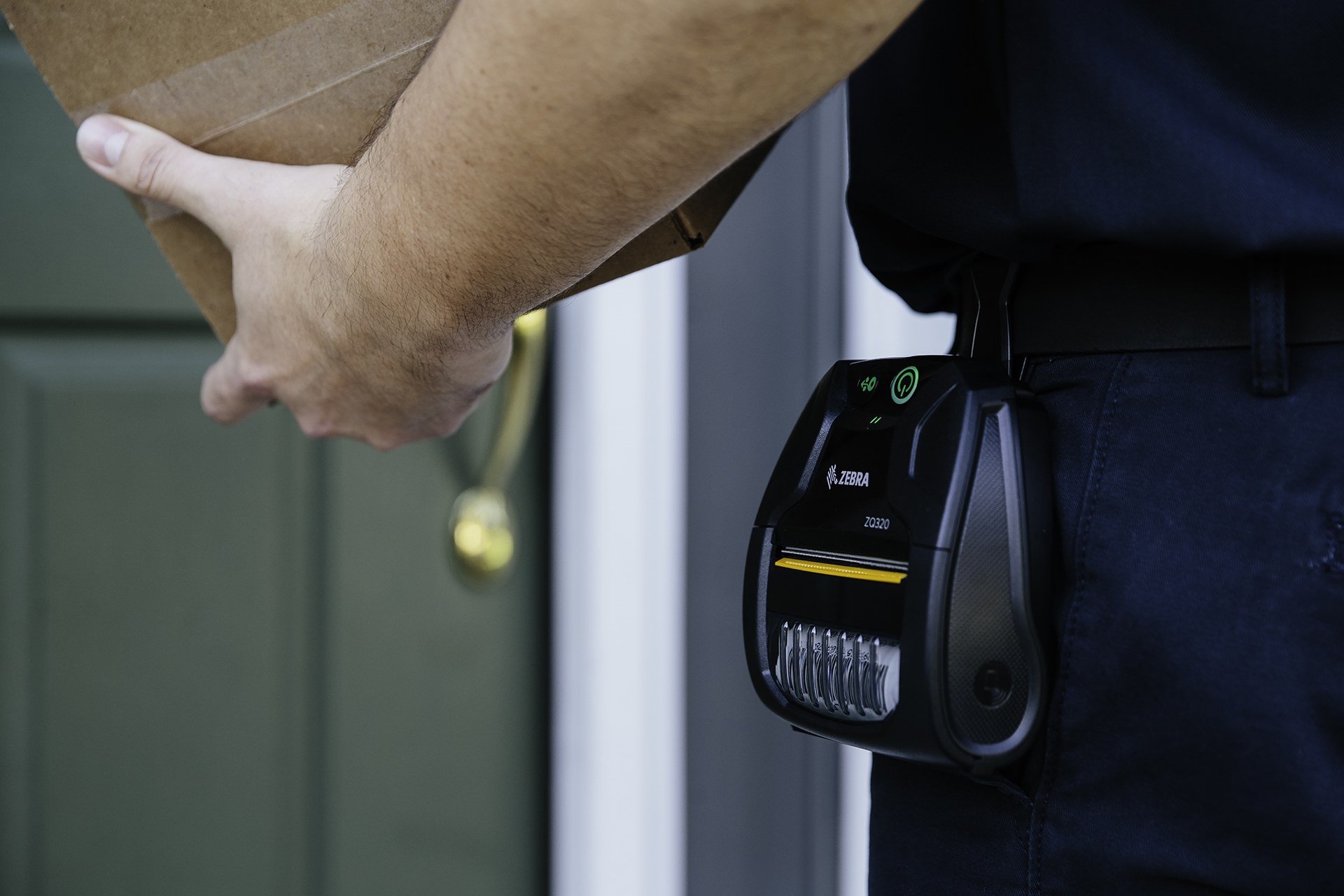
Transportation and Logistics
Review depot, vehicle and field hand-offs that generate updates. Use a representative shift to confirm that instructions, scanning and status entry remain practical while the employee moves between the required work points. Include the intended case, cradle or other required accessory in the review.

Postal and Courier
Coordinate depot, route, collection, delivery and return events. Use a representative journey to check how the device receives the task, captures each stop and returns the completed record. Include periods with limited connectivity in the workflow review without assuming unsupported offline capability.

Asset and Facility Management
Link inspections, faults and asset exceptions to clear owners. Test this step with representative items and records from the required workflow. Confirm what the operator can decide here and which condition must be handed to an authorised reviewer.

Yard and Container Management
Coordinate gate, yard, dock and vehicle movement changes. Use a representative journey to check how the device receives the task, captures each stop and returns the completed record. Include periods with limited connectivity in the workflow review without assuming unsupported offline capability.
Site review inputs
Walk the communication route with real people, devices and applications
- People and work points:Teams, shifts, zones, vehicles, desks, hand-offs and responsibility boundaries.
- Events and responses:Routine tasks, exceptions, urgent alerts, acknowledgements, escalation and closeout.
- Hardware and accessories:Current devices, screens, scanners, headsets, mounts, chargers, batteries and shared-use routines.
- Technology boundaries:Applications, licences, accounts, Wi-Fi, mobile service, security and administration.
Team communication FAQ
Questions to resolve before selecting frontline hardware
Does a mobile computer include team communication software?
Not automatically. The application, licences, accounts, supported devices and network arrangement must be verified separately.
Can Wi-Fi or mobile coverage be confirmed from the page?
No. Coverage and roaming depend on the actual site, network design, service and device configuration, so they require separate testing.
When is a rugged tablet more suitable than a mobile computer?
A tablet may suit work needing a larger screen. Carrying, mounting, scanning, input, power, connection and application support still need verification.
Can a headset be used in a noisy warehouse?
Only after testing the actual noise, hearing and awareness requirements, headset fit, hygiene, controls, device support and application.
How should shared devices be managed?
Define user access, session changes, cleaning, charging, storage, return and damaged or missing-device procedures.
What should we prepare for an Easy Scan review?
Share the people, work points, message types, current applications, networks, devices, accessories, charging, shared-use rules and common exceptions.
Map your frontline communication hardware with Easy Scan
Show us who needs to communicate, at which work points, through which approved application and with what response. We can then discuss device categories, accessories and site verification.