


Counting hardware for Hong Kong retail stock
Retail Inventory Counting Hardware for Hong Kong
Plan item, location, quantity, exception and recount work before selecting mobile computers, scanners, RFID equipment, printers and labels. Easy Scan helps retailers assess the physical counting points, device kit and supported system hand-off.
Overview
Plan a count that can be checked, reviewed and approved
Define count scope, item and location identity, methods, exceptions, recounts and approval boundaries before selecting hardware. This page follows the physical checkpoints, records and hand-offs that should be understood before product categories are narrowed or a deployment is planned.
The primary equipment review covers Mobile computers, Barcode scanners, RFID equipment, Barcode printers, Labels and ribbons. Easy Scan can help match these categories to the site, workload, identification samples, connectivity, power and support route; exact configuration remains subject to application and compatibility checks.
- Operating scope:Define what is being counted and which movements are permitted
- Critical hand-off:Know exactly what every scan and quantity represents
- Equipment bundle:Review Mobile computers, Barcode scanners, RFID equipment, Barcode printers, Labels and ribbons by work point instead of beginning with individual models.
- Deployment evidence:Use representative users, items, locations and exceptions during the site walkthrough.
Count scope and control
Define what is being counted and which movements are permitted
Set the site, zones, item population, units, responsible roles, timing and treatment of receiving, sales, transfers and returns during the count. Hardware records work; it does not decide the retailer’s stock-control policy.
Site and zones
List the shop floor, stockroom, cage, counter, returns and holding areas. Check this requirement at the required work point with its actual power, connectivity, space and operator movement. Include the intended mount, cradle, charger or other required accessory so the review covers the complete setup.
Item population
Define included items, stock states and excluded or controlled goods. Test this checkpoint with representative items and locations, including duplicate, missing or unreadable identification where relevant. The next action should follow the required exception path and keep the original count visible.
Movement rule
State whether each inbound, sale, transfer or return may continue. Test this step with representative items and records from the required workflow. Confirm what the operator can decide here and which condition must be handed to an authorised reviewer.
Count owner
Assign preparation, counting, review, approval and record-update roles. Review this step with the employees who perform and supervise it. Confirm that the instruction, status choices and escalation wording are understood consistently across the intended shift or work area.
Item, location and unit identity
Know exactly what every scan and quantity represents
- Item identity:Confirm the barcode or tag belongs to the physical item being counted.
- Location identity:Keep selling-floor, stockroom and temporary locations distinct.
- Counting unit:Define each, pack, case or other approved unit before entry.
- Unidentified stock:Move unreadable, missing or duplicate identities to a review route.
Count method
Choose the counting method before choosing the device
Barcode count
Identify the item or location, then enter the permitted quantity and status. Use the real item, package or location codes from this checkpoint to review scan angle, distance, operator movement and connection. Include difficult but valid samples so the selection is based on the working environment.
RFID-assisted count
Use only after tags, read zones, expected identities and exception rules are tested. Use tagged items from the required workflow to define the read area and operator action. Tag placement, surrounding material and system response should be checked together in the real environment.
Blind or reference count
Decide whether counters may see expected quantities inside the selected process. Test this checkpoint with representative items and locations, including duplicate, missing or unreadable identification where relevant. The next action should follow the required exception path and keep the original count visible.
Zone assignment and sequence
Give each team a clear start, route and completion state
1. Release a zone
Confirm it is ready, identified and assigned to the correct team.
2. Count in sequence
Follow the agreed shelf, fixture, room or location order.
3. Mark completion
Record the completed area without hiding skipped items or exceptions.
4. Reopen only by rule
Keep recount and correction actions separate from the first count.
Pre-count readiness
Check data, labels, devices and store conditions before the count
- Item and location data:Resolve missing, duplicated or obsolete references before release.
- Barcode and tag condition:Test representative labels, placement and reading distance.
- Device kit:Prepare hardware, batteries, chargers, accessories and permitted users.
- Network and application:Verify sign-in, data availability and exception handling at the site.
Barcode count cycle
Identify the zone, read the item and confirm the permitted quantity
The counting application should control the order of location and item reads, unit entry, repeated scans, zero counts, skipped positions and completion. Test the physical scan angle, label reach, lighting, screen entry and carrying method in the real aisle or stockroom.
Printing a replacement identity should be a separate authorised step with defined content, placement and removal of superseded labels.

RFID count boundary
Treat RFID as a tested reading method, not an automatic result
Confirm the tagged unit, tag placement, reader configuration, fixtures, nearby products, read range, intended zone and handling of missed, duplicate or unexpected reads. A representative site test is required before deciding whether RFID belongs in the count.
- Tagged population:Know which stock should carry a readable tag and which should not.
- Read-zone control:Separate the intended shelf or area from adjacent stock.
- Expected identity:Compare observed tag identities with the released count scope.
- Exception review:Do not convert missed or unexpected reads directly into adjustments.
Inventory counting product categories
Match product types to the count method and work position
Review scanning, screen input, carrying, batteries, connectivity, accessories, tag reading, print points and label media together. Confirm the full kit against representative store or stockroom work.
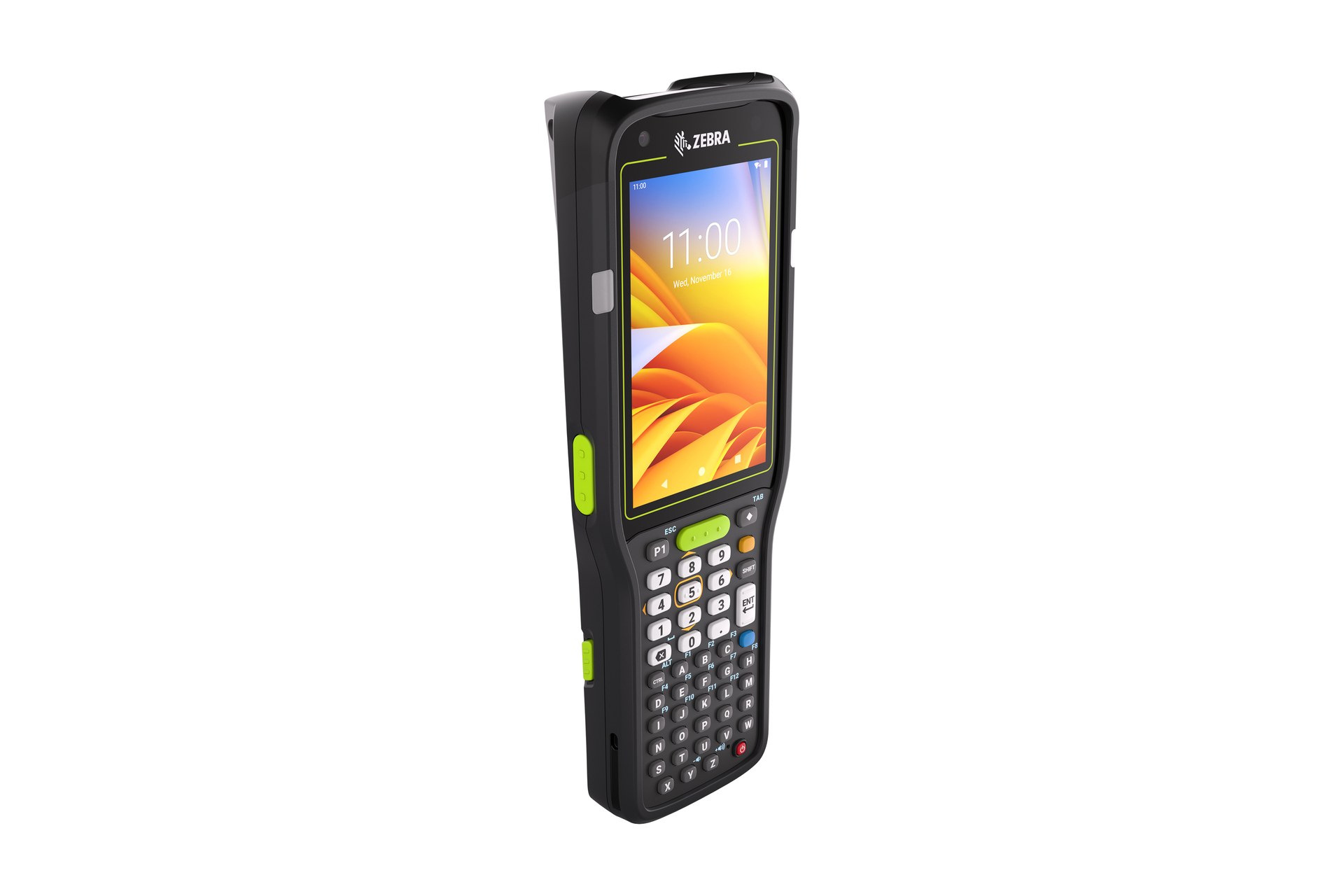
Mobile Computers
For mobile workflows combining scanning, quantity input and review. Build the trial around the on-screen task and data entry required at this checkpoint. Check scanning, keypad or touch input, carrying method, charging and required connectivity as one mobile workflow.

Barcode Scanners
For fixed or paired-device points where items and locations are presented. Test representative barcodes in the work position required at this checkpoint, including the normal scan distance, label presentation and host connection. This confirms whether the scanner category fits the actual item flow before individual products are compared.

RFID Equipment
For assessed tagged-stock workflows with defined read zones and controls. Use tagged items from the required workflow to define the read area and operator action. Tag placement, surrounding material and system response should be checked together in the real environment.

Barcode Printers
For controlled item and location identification where printing is authorised. Use the output required at this checkpoint to assess the print point, expected workload and operator handling. The printer, connection and consumables should be tested as one setup with the real label format.

Labels and Ribbons
For item and location identities matched to surface and use. Test the intended surface and environment with the actual barcode layout. Confirm whether direct thermal or thermal transfer is required, then review the consumable as part of the complete print workflow.
Labels and ribbons
Treat labels and ribbons as part of the working hardware system
A printer or mobile-printing decision is incomplete until the label is matched to the item, package, location or document used at this work point. Size, material, adhesive, surface, barcode layout and expected life all affect whether the identification remains usable.
For thermal-transfer printing, the ribbon also needs to suit the label material and printer configuration. Bring representative packaging, current labels and print samples so the printer, label and ribbon can be reviewed as one combination.
- Purpose and size:Define what the label identifies, the available space and the information or barcode it must carry.
- Surface and adhesive:Check cardboard, plastic, metal, reusable containers and any curved, cold or difficult surface.
- Environment and working life:Record temperature, moisture, abrasion, handling and how long the print must remain readable.
- Print method and ribbon:Confirm direct thermal or thermal transfer, then match the ribbon where thermal-transfer printing is used.
Count-ready device kit
Plan batteries, carrying and accessories for the full count window
Shift power
Compare count duration and device use with charging and battery arrangements. Use the site conditions required at this checkpoint to confirm placement, cable or wireless reach, charging and safe access for support. Record constraints before selecting a product configuration or planning installation.
Hands and carrying
Check straps, holsters, handles and two-hand quantity entry. Use the item, location, unit and quantity rules required at this checkpoint to prepare the scan or entry screen. When the physical result differs from the expected record, preserve the discrepancy for review instead of forcing a match.
Reach and scan position
Test high, low, recessed and densely stocked shelf locations. Use the item, location, unit and quantity rules required at this checkpoint to prepare the scan or entry screen. When the physical result differs from the expected record, preserve the discrepancy for review instead of forcing a match.
Shared-device control
Define issue, return, charging, cleaning and user sign-in ownership. Check this requirement at the required work point with its actual power, connectivity, space and operator movement. Include the intended mount, cradle, charger or other required accessory so the review covers the complete setup.
Exceptions and recount
Keep first counts, corrections and recounts distinct
- Unreadable or missing identity:Hold the item or location for authorised review or relabelling.
- Wrong unit or location:Confirm the physical stock and approved counting unit before entry.
- Skipped or incomplete zone:Reopen only the affected area and retain the original completion record.
- Recount request:Assign a reason, scope, responsible team and separate result.
Variance review
Review the physical evidence before any stock adjustment
A count difference can come from timing, movement, unit, location, identity, duplicate entry, missed stock or an earlier record. The authorised inventory process must decide the investigation and approval path; scanning hardware does not post an adjustment by itself.
Count evidence
Retain zone, item, unit, quantity, user, time and recount state where supported. Specify which permitted evidence is needed for the hand-off required at this checkpoint and how it is tied to the correct order, asset or service record. Access, retention and exception handling should follow the organisation's approved process.
Movement review
Check permitted sales, receipts, returns and transfers during the window. Keep the physical item, its identification and the resulting status connected throughout the process. If one element is missing, follow the page's exception route before the workflow continues.
Approval boundary
Separate physical count completion from authorised record adjustment. Test this checkpoint with representative items and locations, including duplicate, missing or unreadable identification where relevant. The next action should follow the required exception path and keep the original count visible.
Secondary inventory-system layer
Send approved count records to SME ERP only where supported
Where a selected inventory system or SME ERP holds the relevant item, location and stock record, scope a supported hand-off after count and variance controls are defined. Confirm identifiers, units, fields, permissions, timing, interface and rejected records.
Count result
Map only the approved item, location, unit, quantity and count status. Test this checkpoint with representative items and locations, including duplicate, missing or unreadable identification where relevant. The next action should follow the required exception path and keep the original count visible.
Adjustment decision
Keep approval and posting with the authorised inventory process. Test this checkpoint with representative items and locations, including duplicate, missing or unreadable identification where relevant. The next action should follow the required exception path and keep the original count visible.
Connected retail workflows
Review the store activities that create or consume stock records

Retail Technology Solutions
Place counting inside the wider store hardware and data plan. The hand-off should provide a status that the next work area can act on. If the record and physical condition do not agree, preserve the difference for review rather than replacing the earlier status.

Loss Prevention
Keep stock evidence separate from security and loss decisions. Test this step with representative items and records from the required workflow. Confirm what the operator can decide here and which condition must be handed to an authorised reviewer.

Point of Sale
Review how permitted sales during the count affect stock records. Test this step with representative items and records from the required workflow. Confirm what the operator can decide here and which condition must be handed to an authorised reviewer.

Merchandising
Connect shelf, display and label work to clear item and location identity. Keep the physical item, its identification and the resulting status connected throughout the process. If one element is missing, follow the page's exception route before the workflow continues.
Count review inputs
Walk one zone from preparation to approved result
- Scope and movement:Sites, zones, items, units, timing and permitted transactions.
- Identifiers and samples:Representative products, packages, barcodes, tags and location labels.
- Users and device kit:Roles, current hardware, batteries, accessories, network and application.
- Exceptions and approval:Missing identities, recounts, variances, record owners and adjustment authority.
Frequently asked questions
Retail inventory counting hardware questions
What should be defined before an inventory count?
Define the sites, zones, item population, units, count method, responsible roles, timing, movement rules, exceptions, recount process and approval boundary.
Should we use barcode scanning or RFID?
Barcode and RFID are different reading methods. Compare the tagged population, work position, read-zone control, required evidence, environment and exception handling through representative tests.
Which hardware categories support inventory counting?
Depending on the method, the kit may include mobile computers, barcode scanners, RFID equipment, barcode printers, labels and ribbons. Suitability must be verified at the real work points.
Does scanning automatically fix inventory variances?
No. Hardware records authorised inputs. The inventory process must review identity, unit, location, movement and count evidence before approving any stock adjustment.
Is SME ERP required for inventory counting?
No. SME ERP is a secondary option only where a supported inventory record needs a verified hand-off. The count method and hardware can be scoped separately.
What should we prepare for an Easy Scan review?
Prepare the count scope, floor plan, item and location data, representative labels or tags, current devices, application owner, network notes and common exceptions.
Review your inventory counting hardware with Easy Scan
Share the sites, zones, item identities, count method, work positions, current devices and system owner. We can then discuss suitable product categories and verification steps.