
Return-handling hardware for Hong Kong operations
Reverse Logistics Solution: Scanning and Returns Workflow
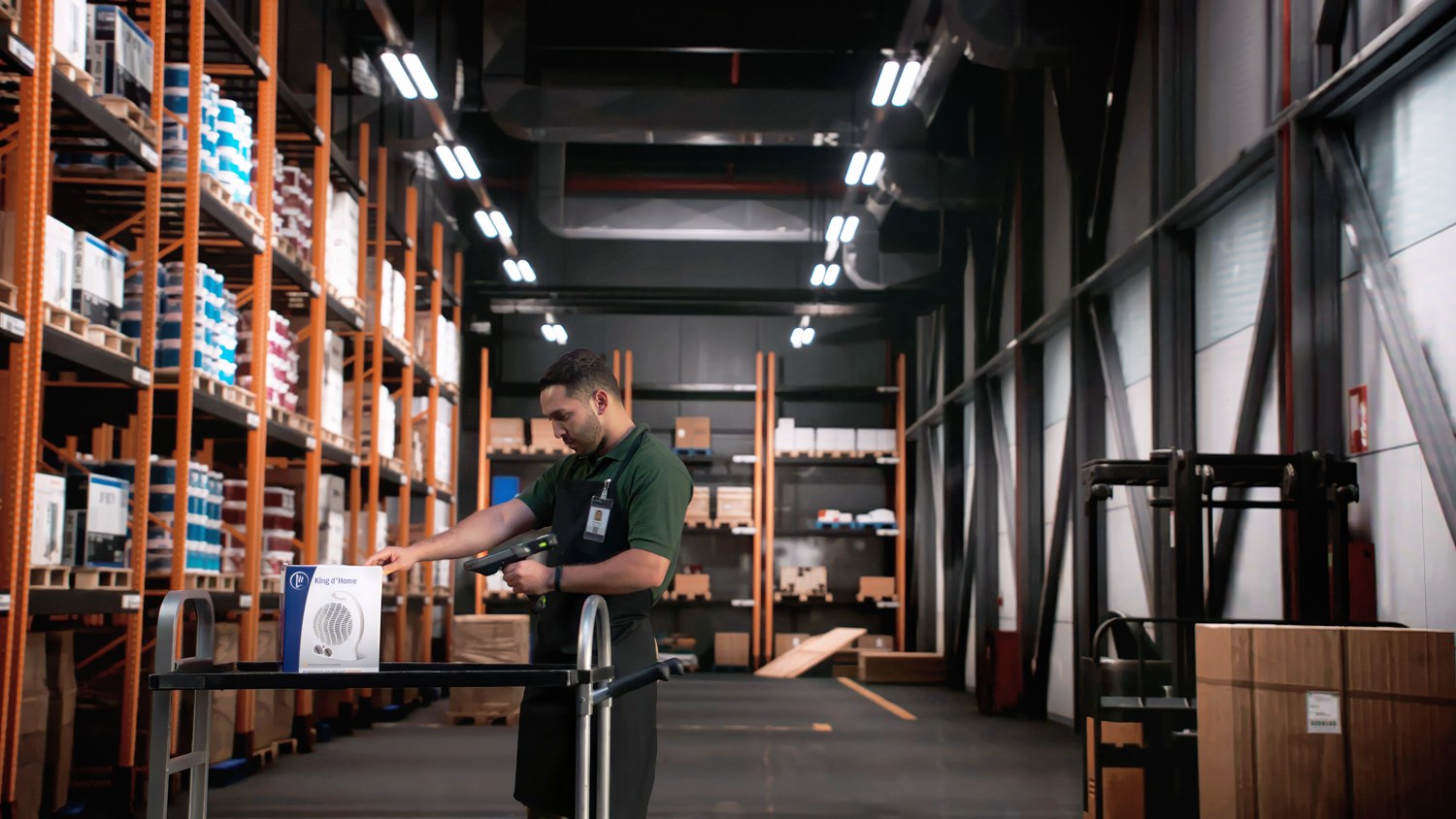
Identify returned goods, record their observed condition and route each item to an approved next action. Easy Scan helps warehouse and depot teams plan the scanners, mobile computers, printers, labels and deployment work needed to keep returns separate from normal stock.
Overview
Build a controlled route for every returned item
Identify returned items, record condition and route the next action. This page follows the physical checkpoints, records and hand-offs that should be understood before product categories are narrowed or a deployment is planned.
The primary equipment review covers Barcode scanners, Mobile computers, Barcode printers, Labels and ribbons. Easy Scan can help match these categories to the site, workload, identification samples, connectivity, power and support route; exact configuration remains subject to application and compatibility checks.
- Operating scope:Stop returned goods from becoming unidentified warehouse stock
- Critical hand-off:Capture facts before asking for a commercial decision
- Equipment bundle:Review Barcode scanners, Mobile computers, Barcode printers, Labels and ribbons by work point instead of beginning with individual models.
- Deployment evidence:Use representative users, items, locations and exceptions during the site walkthrough.
Start at returns intake
Stop returned goods from becoming unidentified warehouse stock
A return should enter a controlled intake point before it joins any normal warehouse movement. The team needs a clear reference, an observable condition record, a holding location and an owner for the next review.
The original reference is missing
The carton or item arrives without a readable barcode, order reference, shipment record or other agreed identifier. Test representative barcodes in the work position required at this checkpoint, including the normal scan distance, label presentation and host connection. This confirms whether the scanner category fits the actual item flow before individual products are compared.
Different conditions are mixed together
Sealed, opened, damaged and uncertain goods are placed in one area before a responsible person reviews them. The hand-off should provide a status that the next work area can act on. If the record and physical condition do not agree, preserve the difference for review rather than replacing the earlier status.
Returns re-enter normal stock too early
An item is moved or relabelled before the approved inspection and disposition record is available. Keep the returned item, its recorded identity and its current physical status together at this step. If they do not agree, route the item to the required exception review instead of overwriting the original record.
No one owns the exception
Unreadable, unexpected or incomplete returns remain at the intake point without a defined follow-up route. Keep the physical item, its identification and the resulting status connected throughout the process. If one element is missing, follow the page's exception route before the workflow continues.
Return identity record
Capture facts before asking for a commercial decision
The intake record should describe what arrived and where it is being held. Begin with the available item, carton, shipment, order or asset reference, then use approved fields for quantity, visible condition, package status and the person or team responsible for review.
When the original code cannot be read, the workflow should direct the item to an identification or review point. Do not create a new stock identity simply to force the transaction through.

- Reference:Item, carton, order, shipment, supplier return or asset reference accepted by the existing application.
- Observed condition:Approved condition choices that employees can record consistently without making the final decision.
- Holding location:The quarantine, inspection or return area where the item remains while the next action is pending.
- Review ownership:The team or authorised person responsible for confirming what happens next.
Controlled triage route
Give every return a visible status and next work point
1. Receive and identify
Scan the available reference, record the source and assign a temporary holding location. Use the item, location, unit and quantity rules required at this checkpoint to prepare the scan or entry screen. When the physical result differs from the expected record, preserve the discrepancy for review instead of forcing a match.
2. Inspect and record
Use approved fields to record quantity, package status and observable condition. Use the item, location, unit and quantity rules required at this checkpoint to prepare the scan or entry screen. When the physical result differs from the expected record, preserve the discrepancy for review instead of forcing a match.
3. Hold for authorised review
Keep the item separate while the responsible team decides the permitted disposition. Review this step with the employees who perform and supervise it. Confirm that the instruction, status choices and escalation wording are understood consistently across the intended shift or work area.
4. Relabel and route
After approval, create the required identification and move the item to the assigned work point. Test the intended surface and environment with the actual barcode layout. Confirm whether direct thermal or thermal transfer is required, then review the consumable as part of the complete print workflow.
Reverse-logistics product categories
Select the product type for intake, review and relabelling
Compare categories only after the team has defined the barcode samples, carrying method, screen input, print point, label surface, host application and network at each return-handling location.
Mobile Computers
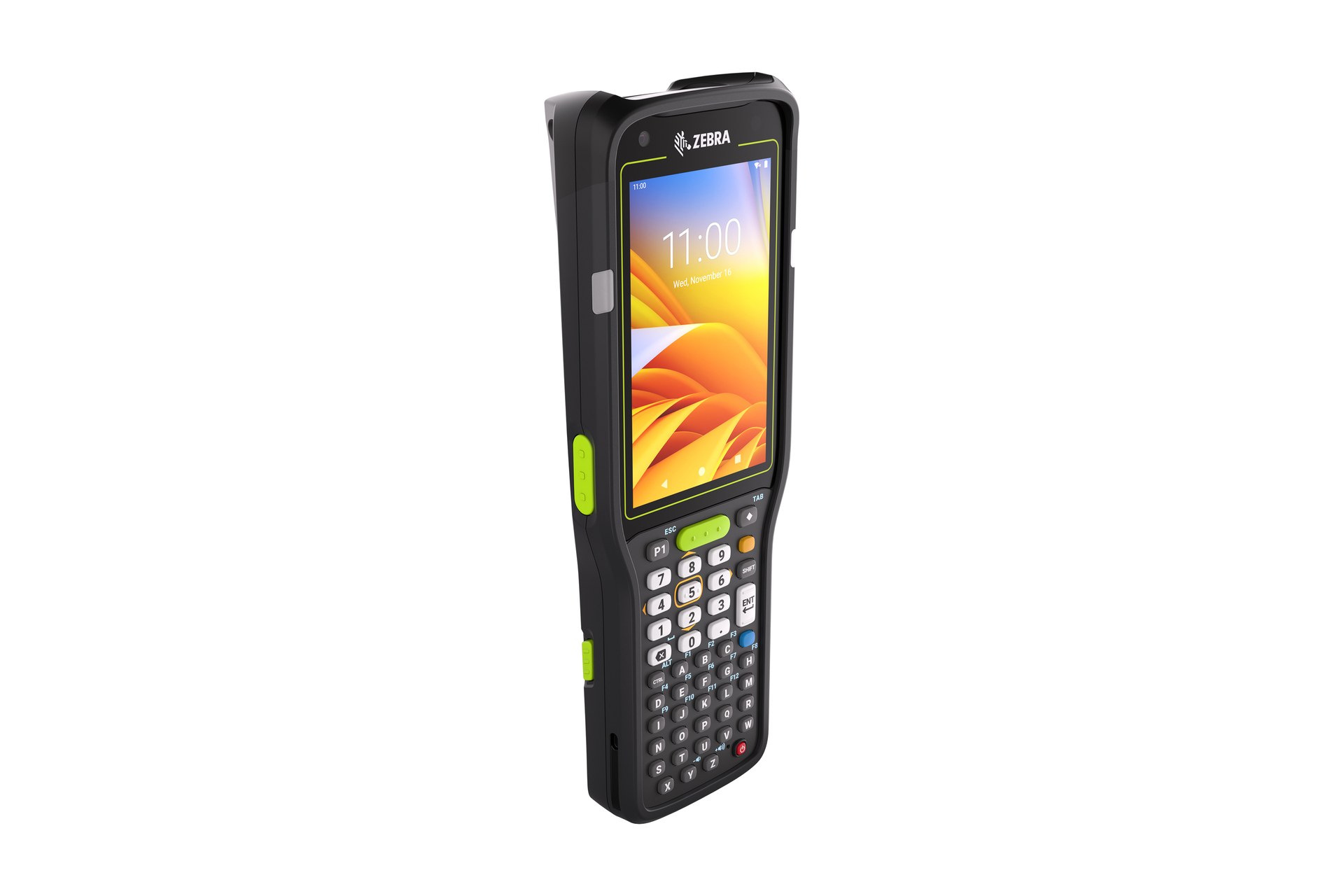
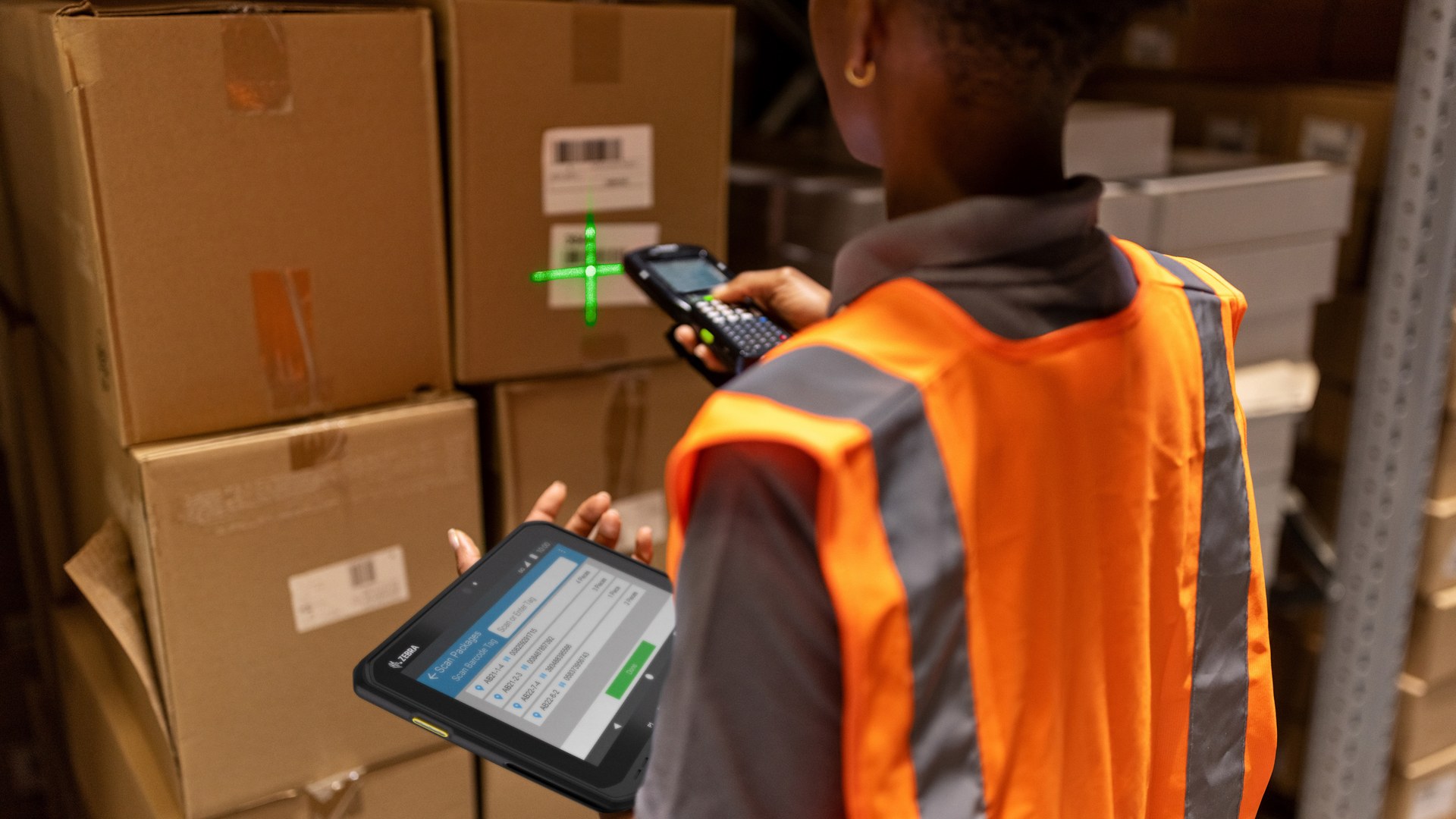
For employees who move between intake, inspection and holding areas while viewing tasks and recording return status. Build the trial around the on-screen task and data entry required at this checkpoint. Check scanning, keypad or touch input, carrying method, charging and required connectivity as one mobile workflow.

Barcode Scanners
For a fixed intake or review desk where employees scan returned items into the application already in use. Use the real item, package or location codes from this checkpoint to review scan angle, distance, operator movement and connection. Include difficult but valid samples so the selection is based on the working environment.

Barcode and Label Printers
For controlled print points producing holding, inspection, routing or approved stock identification. Match this print point to where and when the label is produced, then review print method, label size, connection, placement and media replenishment. Check a print sample on the intended surface before narrowing the printer category.

Labels and Ribbons
For temporary holding and final route labels matched to the surface, print method, handling and required life. Test the intended surface and environment with the actual barcode layout. Confirm whether direct thermal or thermal transfer is required, then review the consumable as part of the complete print workflow.
Labels and ribbons
Treat labels and ribbons as part of the working hardware system
A printer or mobile-printing decision is incomplete until the label is matched to the item, package, location or document used at this work point. Size, material, adhesive, surface, barcode layout and expected life all affect whether the identification remains usable.
For thermal-transfer printing, the ribbon also needs to suit the label material and printer configuration. Bring representative packaging, current labels and print samples so the printer, label and ribbon can be reviewed as one combination.
- Purpose and size:Define what the label identifies, the available space and the information or barcode it must carry.
- Surface and adhesive:Check cardboard, plastic, metal, reusable containers and any curved, cold or difficult surface.
- Environment and working life:Record temperature, moisture, abrasion, handling and how long the print must remain readable.
- Print method and ribbon:Confirm direct thermal or thermal transfer, then match the ribbon where thermal-transfer printing is used.
Holding and relabelling controls
Keep pending returns physically and digitally separate
Use a clearly identified holding location for goods waiting for inspection or approval. A temporary label can associate the item with its return record, while the final routing or stock label should be produced only after an authorised outcome is available.
The printer, label material and layout should be reviewed with real packaging and current barcode samples. Removing or covering an existing identifier also needs a defined rule so employees do not scan the wrong code later.

Temporary holding label
Link the physical return to its review record and holding location while the outcome remains pending. Use the label purpose required at this checkpoint to confirm size, material, adhesive and expected life against representative surfaces. If thermal-transfer printing is involved, check the ribbon together with the printer and label rather than as a separate purchase.
Approved route label
Create identification for the assigned destination only after the responsible team confirms the next action. Test the intended surface and environment with the actual barcode layout. Confirm whether direct thermal or thermal transfer is required, then review the consumable as part of the complete print workflow.
Old-code handling
Define whether an old barcode stays visible, is covered or is removed so the next operator scans the correct reference. Test the intended surface and environment with the actual barcode layout. Confirm whether direct thermal or thermal transfer is required, then review the consumable as part of the complete print workflow.
Label verification
Test the barcode, text, adhesive, surface and expected handling as one print-and-apply combination. Test the intended surface and environment with the actual barcode layout. Confirm whether direct thermal or thermal transfer is required, then review the consumable as part of the complete print workflow.
Decision authority
Use hardware to record the decision, not to make it
Scanning can identify a return and present approved choices, but it does not determine refund, credit, warranty, repair, resale, restock or disposal outcomes. Those decisions remain with the responsible business process and authorised personnel.
- Hardware captures:Identity, location, operator action, time and approved condition fields entered at the work point.
- The application validates:Available fields, required information, status rules and permitted next steps within the existing workflow.
- The authorised team decides:The commercial, quality, warranty, compliance or stock outcome and any required approval.
Upstream and downstream hand-offs
Connect returns to the correct operating flow
Warehouse Solutions
Review how return handling fits the wider receiving-to-dispatch warehouse flow. The completed record should show the next user what was checked, what changed and what still requires attention, so the expected hand-off is clear at the real work point.
Receiving
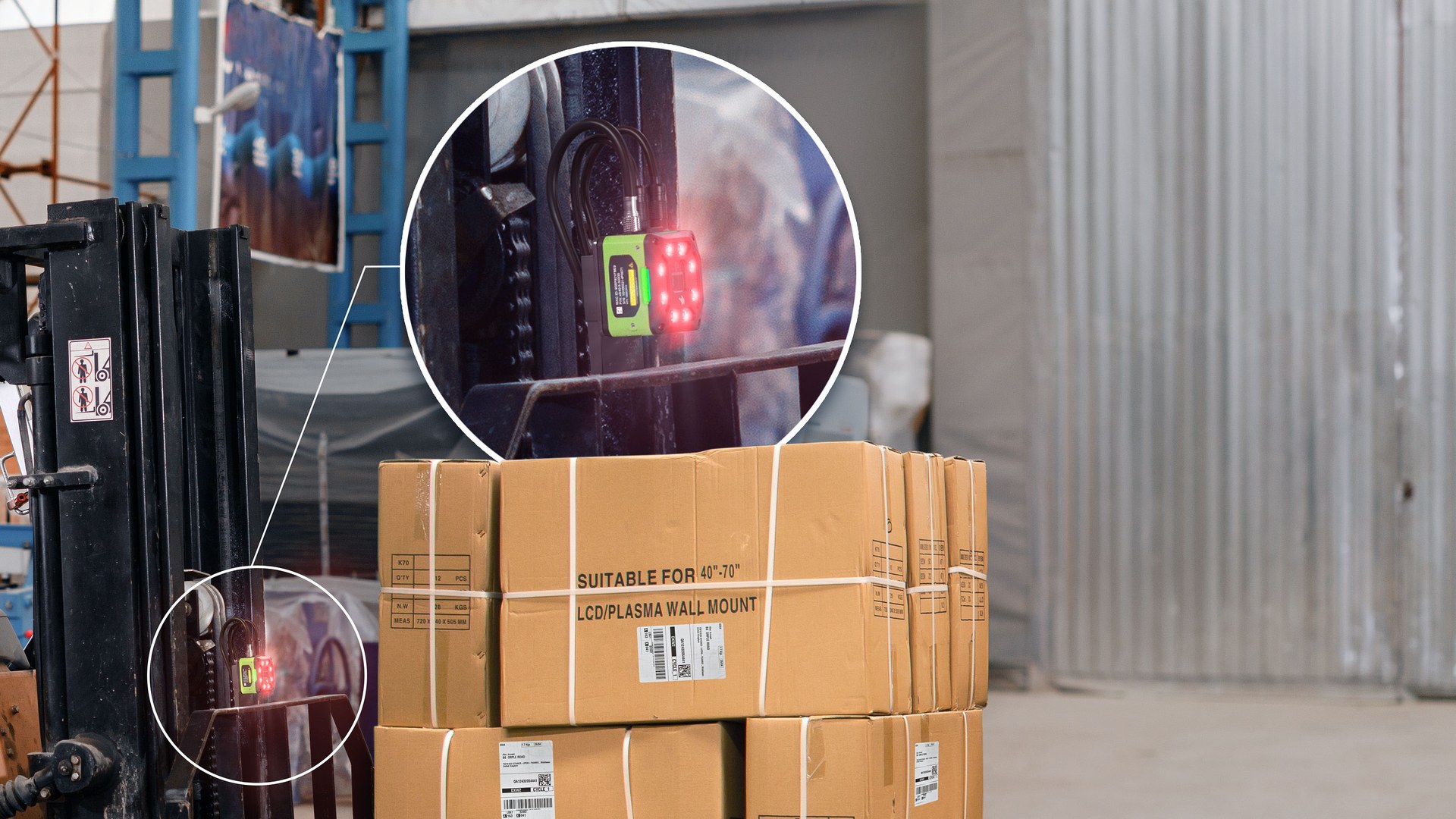
Define how supplier returns, failed deliveries or other inbound exceptions enter the site. Use the site conditions required at this checkpoint to confirm placement, cable or wireless reach, charging and safe access for support. Record constraints before selecting a product configuration or planning installation.

Put-away and Replenishment
Move only approved stock to its assigned location with a confirmed item and destination. Use the item, location, unit and quantity rules required at this checkpoint to prepare the scan or entry screen. When the physical result differs from the expected record, preserve the discrepancy for review instead of forcing a match.

Retail Returns
Review customer-facing identification and processing at a store or service point before warehouse handling. Keep the returned item, its recorded identity and its current physical status together at this step. If they do not agree, route the item to the required exception review instead of overwriting the original record.
Prepare the return work point
Bring real return samples into the hardware review
- References and barcodes:Original item, carton, order and shipment codes, including unreadable or duplicated identifiers.
- Condition and route fields:The approved choices employees may record and the teams authorised to confirm each outcome.
- Work-point layout:Intake desk, inspection area, holding locations, device movement, print point, charging and network coverage.
- Labels and packaging:Current print samples, package surfaces, old-code treatment, required label life and handling conditions.
Frequently asked questions
Reverse logistics scanning questions
What should we scan when a return arrives?
Use the reference accepted by the existing application, such as an item, carton, order, shipment, supplier return or asset record. If no reliable reference is available, route the item for identification instead of inventing one.
Can scanning decide whether an item should be refunded or restocked?
No. Hardware records identity and approved fields. Refund, credit, warranty, restock, repair, resale or disposal decisions remain with authorised people and business rules.
When should a returned item receive a new label?
A temporary holding label may link the item to its review record. Produce the final route or stock identification only after the responsible team approves the next action.
Should returned goods be kept apart from normal stock?
Pending and uncertain returns should have defined holding locations and statuses so they do not re-enter normal stock before review and approval.
Do we need mobile or fixed scanning hardware?
Use a fixed scanner when returns are brought to a controlled desk. Consider mobile equipment when employees move between intake, inspection, holding and final-route locations. Confirm barcode, screen, connection and accessory requirements first.
What should we prepare before contacting Easy Scan?
Share return samples, barcodes, condition fields, authorised outcomes, holding locations, work-point photos, labels, current equipment, application screens and network information.
Map your reverse-logistics work points with Easy Scan
Show us how goods enter, where they wait for review and how approved outcomes move to the next warehouse process. We can then discuss the relevant hardware categories, labels and deployment checks.