
Hong Kong transportation and logistics hardware
Transportation and Logistics Hardware for Connected Handoffs
Connect identification and data capture from depot and yard operations to vehicles and field delivery. Easy Scan helps match mobile computers, rugged tablets, scanners, mobile printers, RFID, labels and support to the work completed at each hand-off.
Overview
Connect depot, vehicle and delivery work points
Connect depot, vehicle, yard and delivery data-capture points. This page follows the physical checkpoints, records and hand-offs that should be understood before product categories are narrowed or a deployment is planned.
The primary equipment review covers Mobile computers, Rugged tablets, Barcode scanners, Mobile printers, RFID readers and tags, Labels and ribbons. Easy Scan can help match these categories to the site, workload, identification samples, connectivity, power and support route; exact configuration remains subject to application and compatibility checks.
- Operating scope:Plan hardware around the places where responsibility changes
- Critical hand-off:Identify the event that closes each logistics checkpoint
- Equipment bundle:Review Mobile computers, Rugged tablets, Barcode scanners, Mobile printers, RFID readers and tags, Labels and ribbons by work point instead of beginning with individual models.
- Deployment evidence:Use representative users, items, locations and exceptions during the site walkthrough.
Operational scope
Plan hardware around the places where responsibility changes
Transportation and logistics covers more than movement between two addresses. Start with the people, goods, assets, vehicles and documents that must be identified when work passes from one team or location to another.
Depot
Sort, stage, load, unload and reconcile shipments at a controlled base. Use a representative journey to check how the device receives the task, captures each stop and returns the completed record. Include periods with limited connectivity in the workflow review without assuming unsupported offline capability.
Yard
Identify vehicles, trailers, containers, gates, docks and waiting locations. Use a representative journey to check how the device receives the task, captures each stop and returns the completed record. Include periods with limited connectivity in the workflow review without assuming unsupported offline capability.
Vehicle
Support drivers or crews with mobile tasks, scans, documents and labels. Use the label purpose required at this checkpoint to confirm size, material, adhesive and expected life against representative surfaces. If thermal-transfer printing is involved, check the ribbon together with the printer and label rather than as a separate purchase.
Field destination
Record the authorised collection, delivery, service or return event. Test this step with representative items and records from the required workflow. Confirm what the operator can decide here and which condition must be handed to an authorised reviewer.
End-to-end hand-off map
Identify the event that closes each logistics checkpoint
- 1. Shipment released:The authorised package, pallet, asset or job is ready for the next movement.
- 2. Route or resource assigned:The current process links the work to a route, vehicle, driver, crew or location.
- 3. Physical load confirmed:The operator checks the actual handling unit at the vehicle or transfer point.
- 4. Movement recorded:The permitted event records departure, arrival, collection or another agreed status.
- 5. Recipient or destination checked:The employee confirms the approved person, site, asset or delivery point.
- 6. Exception retained:Missing, damaged, refused or unmatched work stays visible to its assigned owner.
Logistics solution routes
Choose the workflow that matches the operating problem
These child solutions cover distinct logistics responsibilities. A workflow that also affects warehousing or field operations is linked later on the page instead of duplicated in the main menu.

Postal and Courier
Plan parcel identification, sorting, route loading and delivery hand-offs. The completed record should show the next user what was checked, what changed and what still requires attention, so the expected hand-off is clear at the real work point.

Asset and Facility Management
Identify equipment, locations and assigned inspection or maintenance work. Use the item, location, unit and quantity rules required at this checkpoint to prepare the scan or entry screen. When the physical result differs from the expected record, preserve the discrepancy for review instead of forcing a match.

Yard and Container Management
Coordinate gates, docks, vehicles, trailers, containers and waiting areas. Use a representative journey to check how the device receives the task, captures each stop and returns the completed record. Include periods with limited connectivity in the workflow review without assuming unsupported offline capability.

Team Communications
Support operational coordination where employees must share changes and exceptions. Review this step with the employees who perform and supervise it. Confirm that the instruction, status choices and escalation wording are understood consistently across the intended shift or work area.
Work-point differences
Expect device requirements to change along the route
A depot desk, open yard, vehicle cab and customer site can have different light, weather, movement, carrying, mounting, power and connection conditions. The same application does not make one hardware setup suitable everywhere.
Check how the employee holds the device while also handling a parcel, document, trolley or vehicle task.

- Indoor fixed point:Screen input, scanner position, printing and package presentation.
- Outdoor mobile point:Light, weather, gloves, carrying, safe reach and changing barcode distance.
- Vehicle work point:Mount, charging, power, cab access, connection and safe use when stationary.
Identity controls
Separate the identities that make up a logistics event
A reliable hand-off often needs more than one scan. Define which identities are mandatory, which are optional and which application owns the relationship between them.
Shipment or handling unit
Package, carton, pallet, tote, consignment or other approved logistics unit. The completed record should show the next user what was checked, what changed and what still requires attention, so the expected hand-off is clear at the real work point.
Asset or location
Vehicle, trailer, container, gate, dock, depot, site or service point. Use a representative journey to check how the device receives the task, captures each stop and returns the completed record. Include periods with limited connectivity in the workflow review without assuming unsupported offline capability.
Person or team
Employee, driver, crew, recipient or authorised collection party. Review this step with the employees who perform and supervise it. Confirm that the instruction, status choices and escalation wording are understood consistently across the intended shift or work area.
Task or document
Route, load, job, manifest, delivery instruction or return record. Turn the responsibility required at this checkpoint into a clear instruction for the relevant role. The user should know the required input, permitted decision and named escalation route before this task is added to daily work.
Logistics product categories
Build the hardware set around each data-capture point
Choose categories only after confirming the barcode or tag, screen input, movement, connection, print location, accessories and support need. Device photos represent the category; the final configuration requires a site and application review.
Mobile Computers
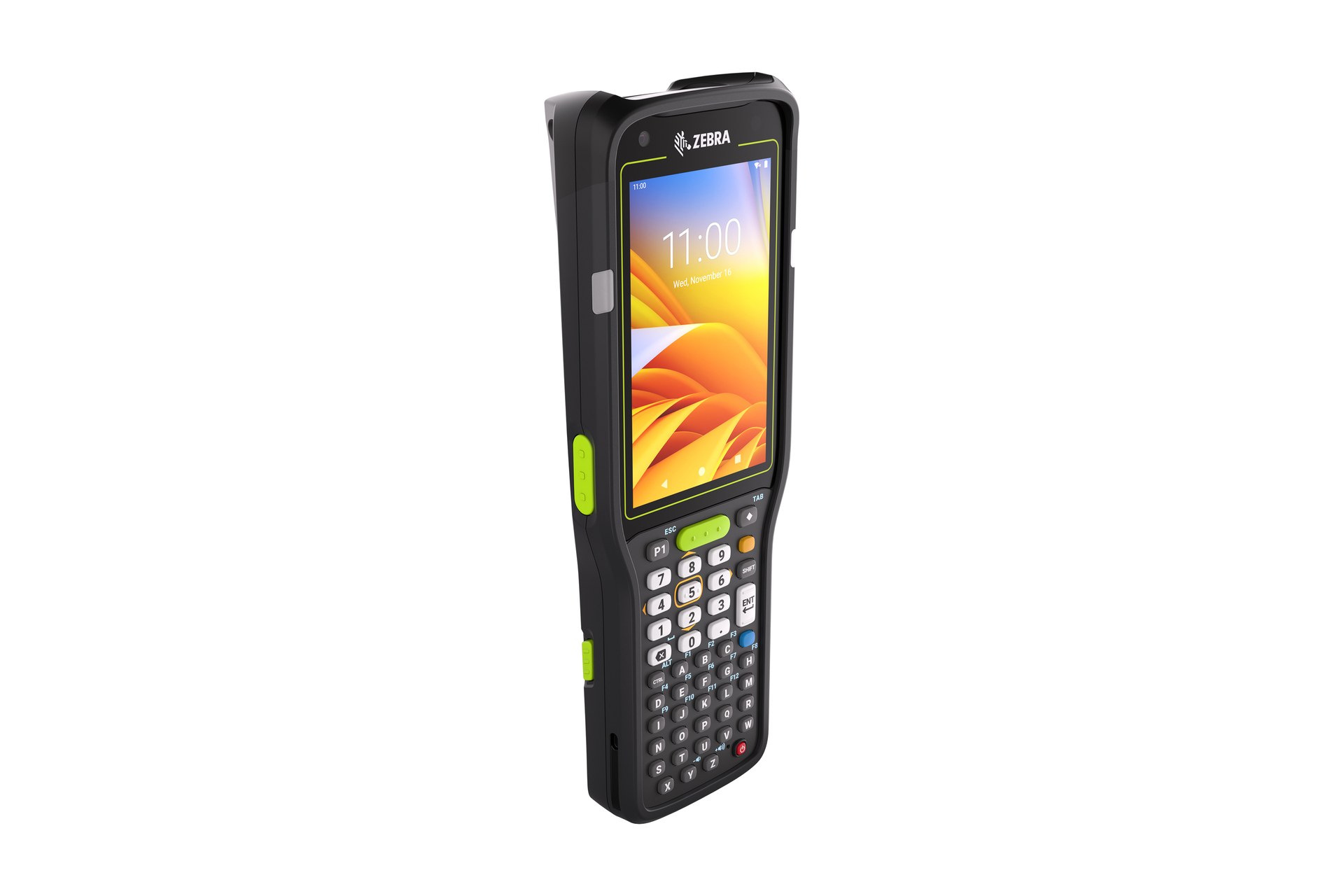
For mobile tasks, scans and status input across operational hand-offs. Use a representative shift to confirm that instructions, scanning and status entry remain practical while the employee moves between the required work points. Include the intended case, cradle or other required accessory in the review.

Rugged Tablets
For route, document or exception work that benefits from a larger display. Test the larger-screen work at its intended location and while moving if required. Check how the user holds or mounts the tablet, enters information and returns it for charging or hand-off.

Barcode Scanners
For controlled desks, counters, gates or docks with presented labels. Use the real item, package or location codes from this checkpoint to review scan angle, distance, operator movement and connection. Include difficult but valid samples so the selection is based on the working environment.

Mobile Printers
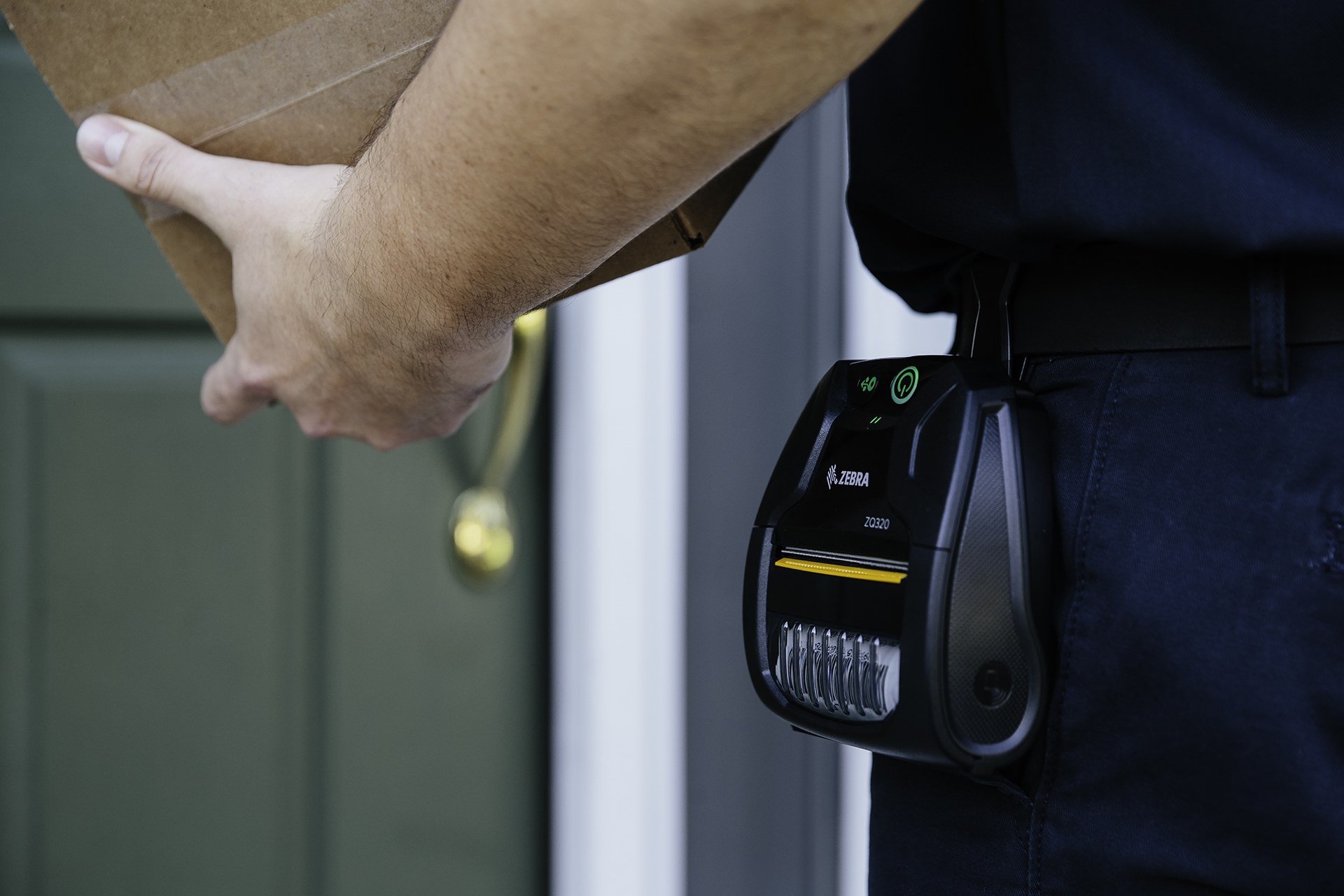
For authorised labels or documents required near the hand-off. Match this print point to where and when the label is produced, then review print method, label size, connection, placement and media replenishment. Check a print sample on the intended surface before narrowing the printer category.

RFID Equipment
For verified tagged-item or asset workflows where the read method has been tested. Use tagged items from the required workflow to define the read area and operator action. Tag placement, surrounding material and system response should be checked together in the real environment.

Labels and Ribbons
For packages, assets and locations, selected around the surface and environment. Test the intended surface and environment with the actual barcode layout. Confirm whether direct thermal or thermal transfer is required, then review the consumable as part of the complete print workflow.
Labels and ribbons
Treat labels and ribbons as part of the working hardware system
A printer or mobile-printing decision is incomplete until the label is matched to the item, package, location or document used at this work point. Size, material, adhesive, surface, barcode layout and expected life all affect whether the identification remains usable.
For thermal-transfer printing, the ribbon also needs to suit the label material and printer configuration. Bring representative packaging, current labels and print samples so the printer, label and ribbon can be reviewed as one combination.
- Purpose and size:Define what the label identifies, the available space and the information or barcode it must carry.
- Surface and adhesive:Check cardboard, plastic, metal, reusable containers and any curved, cold or difficult surface.
- Environment and working life:Record temperature, moisture, abrasion, handling and how long the print must remain readable.
- Print method and ribbon:Confirm direct thermal or thermal transfer, then match the ribbon where thermal-transfer printing is used.
Identification media
Plan labels, tags and mobile printing as part of the workflow
Package and shipment labels
Confirm size, barcode content, placement, scan distance and expected handling. Test the intended surface and environment with the actual barcode layout. Confirm whether direct thermal or thermal transfer is required, then review the consumable as part of the complete print workflow.
Asset and location labels
Match the material and adhesive to the surface, exposure and required use period. Use the label purpose required at this checkpoint to confirm size, material, adhesive and expected life against representative surfaces. If thermal-transfer printing is involved, check the ribbon together with the printer and label rather than as a separate purchase.
RFID tags
Test representative tagged items, materials, read areas and application behaviour. Use tagged items from the required workflow to define the read area and operator action. Tag placement, surrounding material and system response should be checked together in the real environment.
Mobile print point
Define who may print, the authorised source and how cancelled or duplicate labels are controlled. Use the label purpose required at this checkpoint to confirm size, material, adhesive and expected life against representative surfaces. If thermal-transfer printing is involved, check the ribbon together with the printer and label rather than as a separate purchase.
Deployment conditions
Check connection, power and carrying before rollout
- Connection:Map depot, yard, vehicle and field coverage, including approved offline behaviour.
- Power and charging:Review shift length, vehicle power, spare batteries and charging locations.
- Mounting and carrying:Confirm safe access, holsters, straps, cradles and stationary vehicle use.
- Peripheral set:Check scanners, printers, cables, chargers, docks and replacement needs together.
Hong Kong support
Move from site evidence to a supportable hardware plan
Easy Scan can review the operating route, current devices, applications, barcode or RFID media, print points, connection conditions and accessories before discussing product categories and deployment steps.
Workflow review
Document checkpoints, identities, required inputs and exception owners. Test this step with representative items and records from the required workflow. Confirm what the operator can decide here and which condition must be handed to an authorised reviewer.
On-site verification
Test representative labels, packages, assets and work positions where appropriate. Use the label purpose required at this checkpoint to confirm size, material, adhesive and expected life against representative surfaces. If thermal-transfer printing is involved, check the ribbon together with the printer and label rather than as a separate purchase.
Deployment and support planning
Agree device preparation, accessories, user handling and support boundaries. Check this requirement at the required work point with its actual power, connectivity, space and operator movement. Include the intended mount, cradle, charger or other required accessory so the review covers the complete setup.
Connected workflow boundaries
Link to warehouse and field pages without duplicating the logistics menu
- Shipping:Confirm packages, loads and departure hand-offs at the warehouse boundary.
- Cross-Docking:Transfer identified goods between receiving and outbound routes.
- Field Operations:Plan mobile work after employees leave the depot or fixed site.
- Proof of Pick-up and Delivery:Record authorised collection and delivery events in the field workflow.
Site review inputs
Walk the route with real goods, devices and users
Items and identification
Real packages, assets, documents, barcodes, RFID tags and label positions. Validate this RFID step with representative tags, materials, read positions and the intended application. Record missed or unintended reads during the trial before deciding how RFID should complement barcode checkpoints.
Locations and vehicles
Depot, yard, gates, docks, routes, cabs, charging and field destinations. Review this route task at the depot, vehicle and hand-over points named above. Mounting or carrying, power, connectivity and record synchronisation should reflect where the operator actually works.
Users and handling
Drivers, sorters, loaders, service staff, gloves, carrying and screen input. Use a representative journey to check how the device receives the task, captures each stop and returns the completed record. Include periods with limited connectivity in the workflow review without assuming unsupported offline capability.
Applications and exceptions
Tasks, required fields, completion states, offline rules and exception ownership. Test this step with representative items and records from the required workflow. Confirm what the operator can decide here and which condition must be handed to an authorised reviewer.
Transportation and logistics FAQ
Logistics hardware planning questions
Which logistics checkpoint should we improve first?
Start where identity errors, manual re-entry, unclear hand-offs or unsuitable hardware create the greatest operational risk.
When is a rugged tablet more suitable than a mobile computer?
Consider the larger display for route, document or exception work, then verify carrying, mounting, scanning, connection and application needs.
Can the same device be used at the depot and in vehicles?
Only after checking the different environment, mounting, power, connection, movement and application requirements at both work points.
When should RFID be assessed?
Assess it for verified tagged-item or asset workflows, using representative materials, read areas and real application behaviour.
What should a mobile-print workflow control?
It should define the authorised print source, user, label or document, print location and treatment of duplicate or cancelled output.
What should we prepare for an Easy Scan review?
Share routes, locations, vehicles, users, devices, labels, tags, print points, connection, application screens and common exceptions.
Map your logistics hand-offs with Easy Scan
Show us where goods, assets, people and vehicles change responsibility. We can then discuss the relevant hardware categories, labels, accessories and verification steps.