
Barcode Printer Ribbon in Hong Kong: Wax, Wax-Resin and Resin Matching
Barcode printer ribbon is used in thermal transfer printing to transfer ink onto the label surface. Direct thermal workflows do not use ribbon. For Hong Kong operations, the right ribbon depends on print method, label material, printer model, ribbon width, core, winding direction, barcode content and the environment where the label must remain readable.
Not every barcode printer needs ribbon
Direct thermal printing does not use ribbon. Thermal transfer printing does. If the label is short-life shipping or receipt media, direct thermal may be enough; if the label must last longer or resist handling, thermal transfer should be reviewed.
Paper, coated paper, PP and PET change the ribbon choice
Paper labels and synthetic labels do not share one universal ribbon. Match the face stock, adhesive, application surface, retention period and scan risk before choosing wax, wax-resin or resin.
Width, core, roll length, winding and printhead type matter
One ribbon roll will not fit every desktop, industrial or near-edge printer. Share the printer model, current ribbon size, label width, core size, winding direction and print content before ordering.
Different teams may call the same consumable ribbon, carbon ribbon or colour ribbon
The name matters less than the print method
Procurement, warehouse, IT and front-line users may use different names for the same thermal transfer consumable. In practice, the selection should still start from printer model, label material, ribbon size, winding direction and operating environment.
Share the existing roll if the name is unclear
If your team is not sure whether the item is ribbon, carbon ribbon or another printing supply, send the old roll photo, printer model, label size and application. Easy Scan can help check the consumable direction before you reorder.
How wax, wax-resin and resin ribbons differ
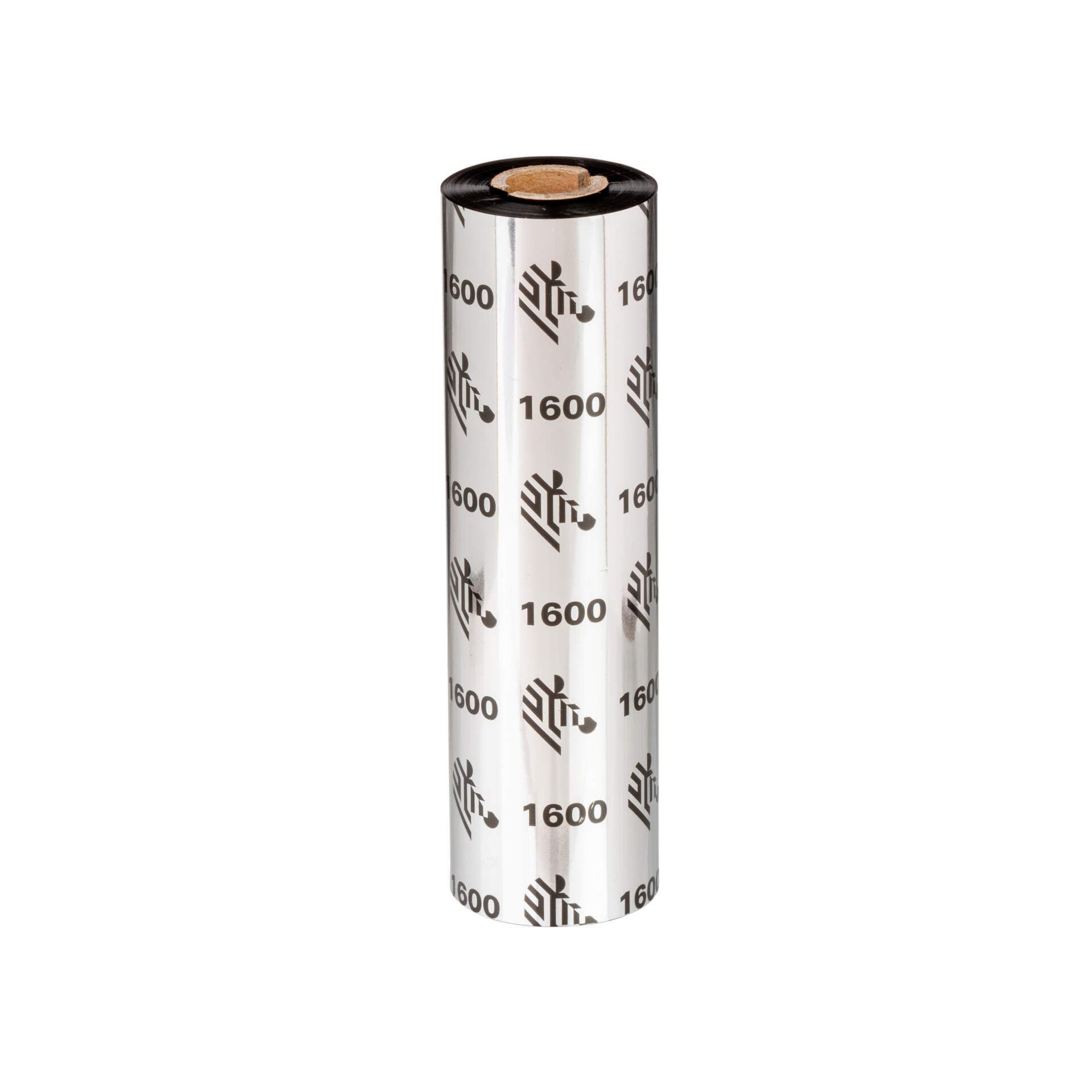
Wax
Paper labels, high-volume printing and general logistics
Wax ribbons are commonly used for paper labels, carton labels, shelf labels and general logistics labels. They can be cost-efficient, but they are not the first choice for heavy abrasion, chemicals, heat or outdoor exposure.

Wax-Resin
Better resistance for coated paper and some synthetic labels
Wax-resin sits between wax and resin. It is often reviewed for coated paper, semi-gloss media and some synthetics where labels face more handling, smearing risk or everyday chemical exposure.

Resin
Synthetic labels and tougher identification workflows
Resin is usually reviewed for PP, PET, synthetic labels, asset tags, electronics, healthcare and outdoor or chemical-contact workflows. The actual durability must still be confirmed through the specific media-ribbon combination.
| Ribbon Direction | Typical Label Materials | Common Uses | Buying Risk |
|---|---|---|---|
| Wax | Uncoated paper, selected coated paper | Carton labels, warehouse labels, shelf labels, high-volume logistics labels | May smudge or scan poorly on very smooth media or high-abrasion workflows. |
| Wax-Resin | Coated paper, semi-gloss paper, selected PP / PE / synthetic media | Product labels, retail price labels, logistics tracking, healthcare or warehouse labels | May be insufficient for harsh environments, but excessive for short-life paper labels. |
| Resin | PP, PET, synthetic paper, specialty durable labels | Asset labels, electronics, chemical-adjacent workflows, freezer, outdoor or long-life labels | Do not assume any resin works with every paper or synthetic label; sample testing is still needed. |
Prepare these 6 details before enquiry or ordering
Print Method
Confirm whether the current printer is direct thermal, thermal transfer, or configurable for both. Direct thermal workflows do not require ribbon.
Printer Brand and Model
Share the Zebra, TSC or other printer model, and whether it is desktop, industrial, mobile or near-edge, so the usable ribbon format can be checked.
Label Size and Material
Ribbon width usually needs to cover the label and liner. Paper, coated paper, PP, PET and synthetic media all affect ribbon direction.
Ribbon Width, Length, Core and Winding
Core size, roll length, outside or inside coating direction and printer loading path must match the printer. “Black ribbon” is not enough for ordering.
Retention and Environment
Handling friction, moisture, freezer use, cleaning agents, alcohol, heat, outdoor exposure and long-term storage all change ribbon selection.
Print Content and Scan Risk
Small text, dense barcodes, rotated barcodes, high-speed printing or longer scan distance should be tested with real print and scan samples.
If you have an existing ribbon or label, send the roll photo, printer model, label size, application surface and failed print sample. Easy Scan can help review whether to keep the current format, test another ribbon direction, or check printer settings.
The same ribbon is not suitable for every label workflow
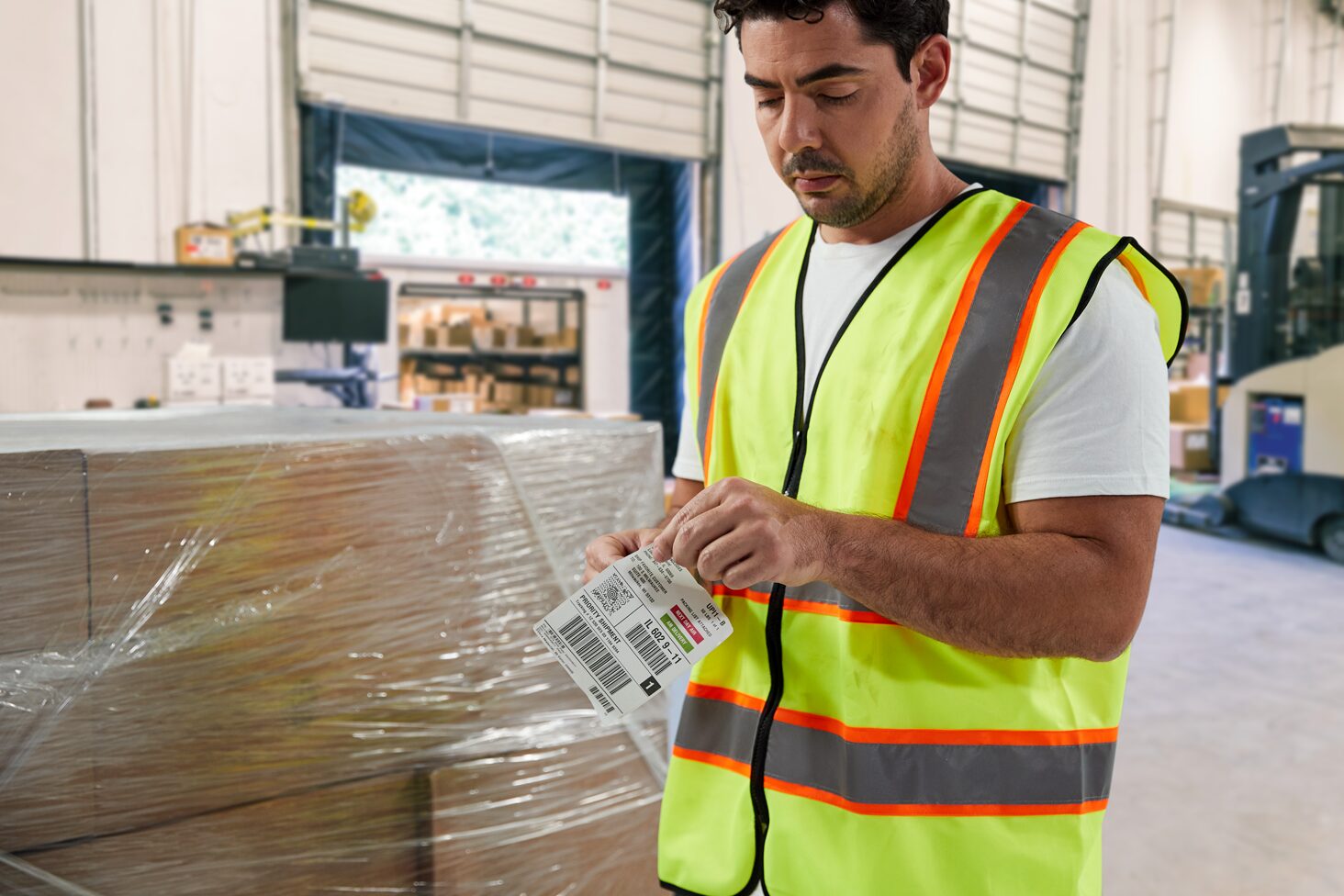
Warehouse and Logistics
Carton labels, pallet labels, bin labels and shipping labels need reliable scanning. If labels face handling friction or longer storage, avoid choosing ribbon only by lowest unit cost.

Retail and Product Labels
Price labels, product labels and batch information often need readable barcodes and a clean appearance. The right direction depends on label life, surface and handling conditions.

Manufacturing and Assets
Work-in-progress, serial number, equipment and fixed-asset labels usually need longer retention. Oil, friction, heat or outdoor exposure may require synthetic labels and resin testing.
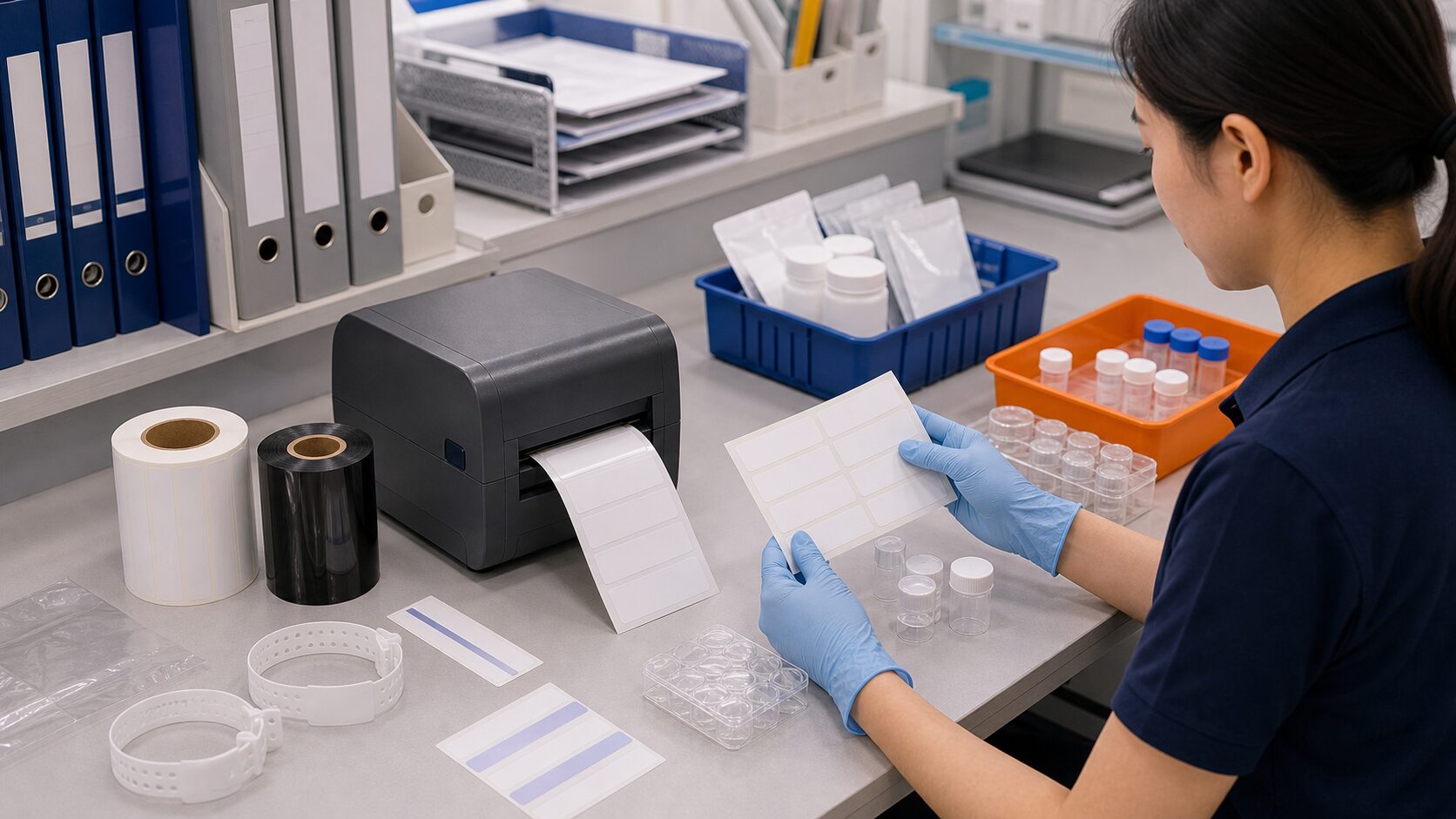
Healthcare, Lab and Office
Sample, document, filing and office asset labels depend on retention, cleaning workflow and label material. Special durability or compliance requirements must be verified by tested combinations.
Ribbon issues often involve labels, printer settings and environment together
| Symptom | Possible Cause | What To Check |
|---|---|---|
| Print rubs off easily | Ribbon durability is too low, label surface is too smooth, or darkness / pressure is unsuitable. | Check label material, test wax-resin or resin direction, and review speed and darkness settings. |
| Faint print or unstable scanning | Ribbon-label mismatch, insufficient heat, dense barcode layout or printhead condition. | Test with the actual scanner and review barcode size, print speed, darkness and printhead cleaning. |
| Ribbon wrinkles or breaks | Ribbon width, tension, loading path, winding direction or print pressure may be wrong. | Confirm loading direction, ribbon width against label width, and printer media path settings. |
| New ribbon roll does not fit | Core, roll length, roll diameter or inside / outside coating direction does not match the printer. | Share the printer model, old ribbon photo and specification label before buying replacement stock. |




Barcode printer ribbon FAQ
Does every barcode printer need ribbon?
No. Direct thermal printers do not use ribbon. Thermal transfer printers use ribbon. If you are not sure which print method your current equipment uses, share the printer model or nameplate photo for checking.
How should I choose wax, wax-resin or resin ribbon?
Start with label material and environment. Paper and high-volume logistics labels often start with wax. Coated paper or moderate handling risk may point to wax-resin. Synthetic, asset, outdoor, chemical or long-retention labels usually require resin testing.
Can one ribbon be used for all labels?
It should not be assumed. Ribbon performance depends on label face stock, printer, printer settings, operating environment and retention period. The same ribbon can behave very differently on different materials.
How do I know which ribbon fits my current printer?
Check the printer brand, model, maximum print width, ribbon core, roll diameter, roll length, inside or outside coating direction and label width. The fastest route is to share the old ribbon photo and printer model with Easy Scan.
Should ribbon be wider than the label?
Ribbon usually needs to cover the label and liner area to help protect the printhead and avoid edge problems. The final width should still be confirmed against printer specification, label size and available supply format.
If labels touch alcohol, cleaners or outdoor conditions, is resin always required?
Resin or a higher-durability direction is often reviewed, but the word “resin” alone is not a guarantee. The exact label material, ribbon model and real environment should be tested together.
Is unclear barcode printing a ribbon issue or printer issue?
It can be either or both. Common causes include ribbon-label mismatch, unsuitable darkness or speed, dirty or worn printhead, overly dense barcode design, and scanner or system data-format issues.
What should I provide before asking for a ribbon quotation?
Share the printer brand and model, current ribbon size or photo, label size and material, print content, monthly usage, operating environment and whether sample testing is needed. Clear inputs help the team respond with a suitable item direction, quantity basis and replenishment approach.
Not sure whether wax, wax-resin or resin is right? Ask Easy Scan to review the setup first.
Send the printer model, label size, application surface, retention requirement and issue photos. We can help organise the ribbon direction, label matching and printer-setting checks.