
RFID Basics: How Tags, Readers, Antennas and EPC Work Together
RFID, or radio frequency identification, uses radio waves to capture data encoded in an RFID tag. Like barcodes, it helps identify products, assets and inventory, but it does not rely on one-by-one optical scanning. For a Hong Kong warehouse, retail, logistics or asset tracking workflow, the right answer depends on the tag, reader, antenna, read zone and system integration.

Quick answer
RFID identifies items by radio waves, without line-of-sight scanning
An RFID tag carries data that can be captured by a reader through an antenna. The system can then record products, cartons, pallets, assets or locations, making RFID useful where batch reading or less manual aiming is valuable.

Tags matter
Tag material, position and item surface directly affect read performance
Metal, liquids, cold storage, dense stacking and label angle can all change the result. Any serious RFID plan should test real goods in the real working environment.

Read zones need design
Antenna direction, item flow and site conditions affect results
Fixed read zones need planning around aisle width, racking, forklift routes, metal and accidental reads. Define the read point and exception handling before rollout.
Data must flow
The value comes when read events become usable inventory or asset records
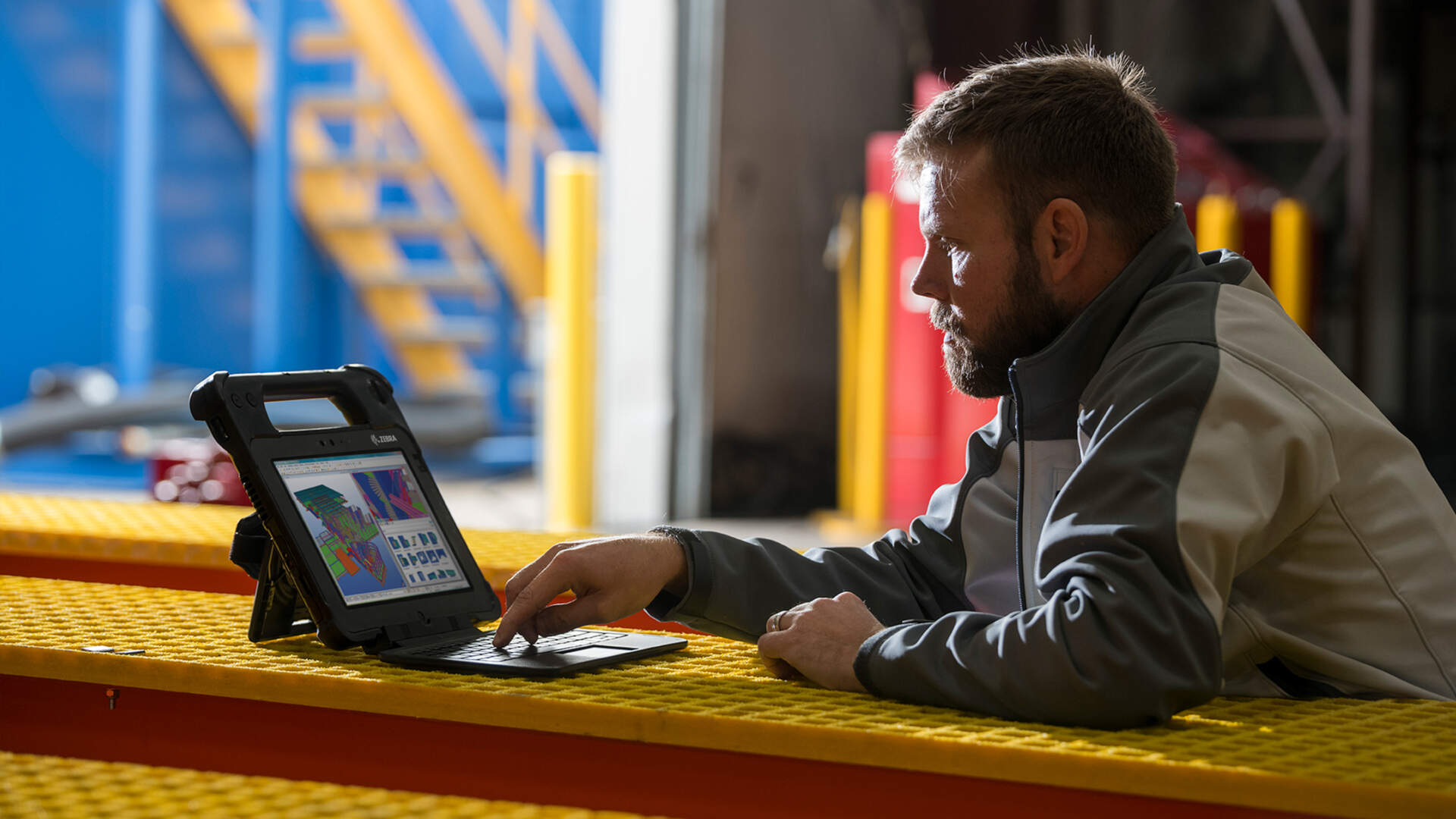
RFID data normally needs to connect with a WMS, ERP, POS, asset platform or custom workflow before it can improve receiving, dispatch, stocktake, replenishment or tracking.
From RFID tag to system record
The concept is straightforward, but reliable RFID in a working Hong Kong site requires a clear distinction between simply detecting tags and capturing the right event at the right point in the workflow.
Attach the RFID tag to the item
The tag may be applied to an individual item, carton, pallet, tool, asset or document box. The tag type depends on the surface, environment, read requirement and data purpose.
The reader and antenna create the read zone
Handheld, fixed, portal or tabletop readers capture tags through antennas. Antenna position, direction, power and site reflections shape the read area.
The tag response becomes a read event
The reader receives the tag response and passes EPC or other data to the application. The system must then handle duplicates, location logic and exception rules.
The system turns the event into action
Read events can support receiving, dispatch, stocktake, item search, replenishment, asset loans or production tracking. The time saving usually comes from clean data flow and exception handling.
What tags, readers, antennas, EPC and software each do
| Component | Role | What to confirm first |
|---|---|---|
| RFID tag / smart label | Stores the identifier that can be read by radio waves, usually attached to goods, cartons, pallets or assets. | Surface, placement, label size, environment and whether printed text or a barcode is also required. |
| RFID reader | Sends and receives RFID signals, with handheld, fixed, portal, tabletop or integrated options depending on the workflow. | Operating workflow, mobility, read speed, system connection, power and network requirements. |
| Antenna and read zone | Controls the direction and coverage of the RFID signal, especially in fixed-reader projects. | Aisle width, item flow, metal racking, liquid goods, walls, portals, forklift routes and misread risk. |
| EPC / identifier | Gives a physical object, carton, pallet, location or other entity a unique identifier for tracking. | Encoding rules, GS1 / EPC requirements, SKU, batch, serial number and system fields. |
| Software workflow | Turns captured reads into stocktake, receiving, dispatch, replenishment, asset or production records. | Existing WMS, ERP, POS, asset platform, API, CSV, Excel, exception handling and user permissions. |
Where Hong Kong businesses often evaluate RFID

Warehouse stocktake and goods movement
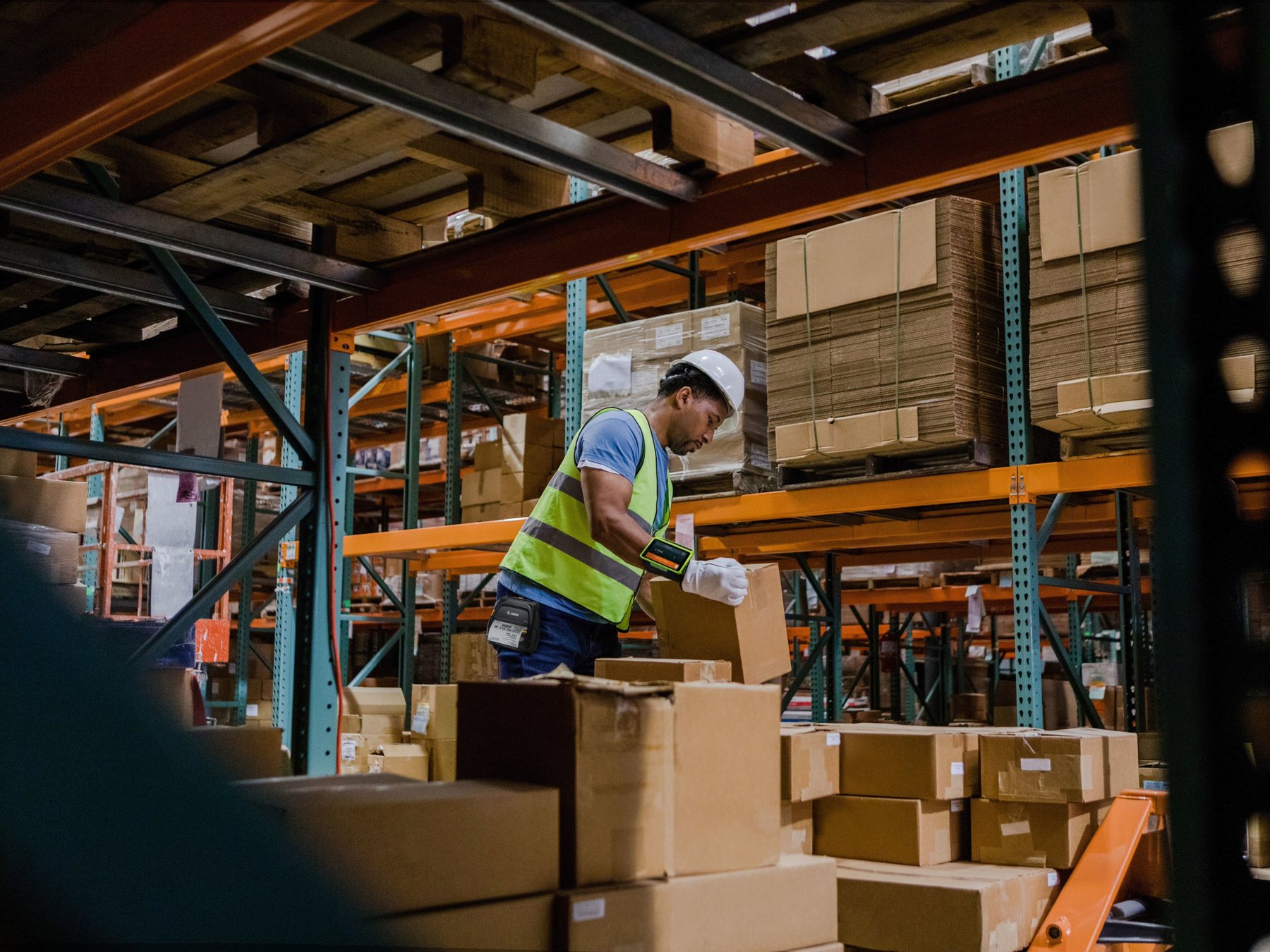
RFID can reduce the time spent aiming scanners at individual goods, cartons or pallets. Suitability still depends on item material, stacking density and read zone design.

Retail replenishment and inventory visibility
RFID can help stores and back-office teams check stock location and quantity more quickly. A good plan starts with tag placement and data synchronisation.

Logistics, carton and pallet tracking
During receiving, sorting, transfer or loading, RFID can help verify whether cartons or pallets pass a defined point. Fixed read zones need careful handling of missed reads and accidental reads.

Fixed asset and tool management
Offices, healthcare, engineering, education and maintenance teams can use RFID to support audits, loans and location checks. Metal assets usually need a suitable tag and physical testing.
Information to prepare before evaluating RFID
| Information | Why it matters | What to provide |
|---|---|---|
| Items to be tracked | Products, cartons, pallets, tools and assets may require different tag types and placement. | Photos, dimensions, material, packaging and whether metal or liquid is involved. |
| Read scenario | Handheld stocktake, portal reading, tabletop reading and vehicle workflows require different designs. | How staff work today, goods flow, read location and daily volume. |
| Site environment | Racking, walls, metal, humidity, cold storage, forklifts, doorways and distance can all affect reads. | Floor plan, site photos, aisle width and installation restrictions. |
| Data system | RFID events need to connect with inventory, order, asset or operations workflows to create value. | Current WMS, ERP, POS, Excel, API or other system, plus required output fields. |
| Success criteria | Different workflows have different needs for speed, accuracy, exceptions and reporting. | The problem to improve, such as stocktake time, missed scans, item search, wrong dispatch, asset loss or manual records. |
Products and workflows to compare together
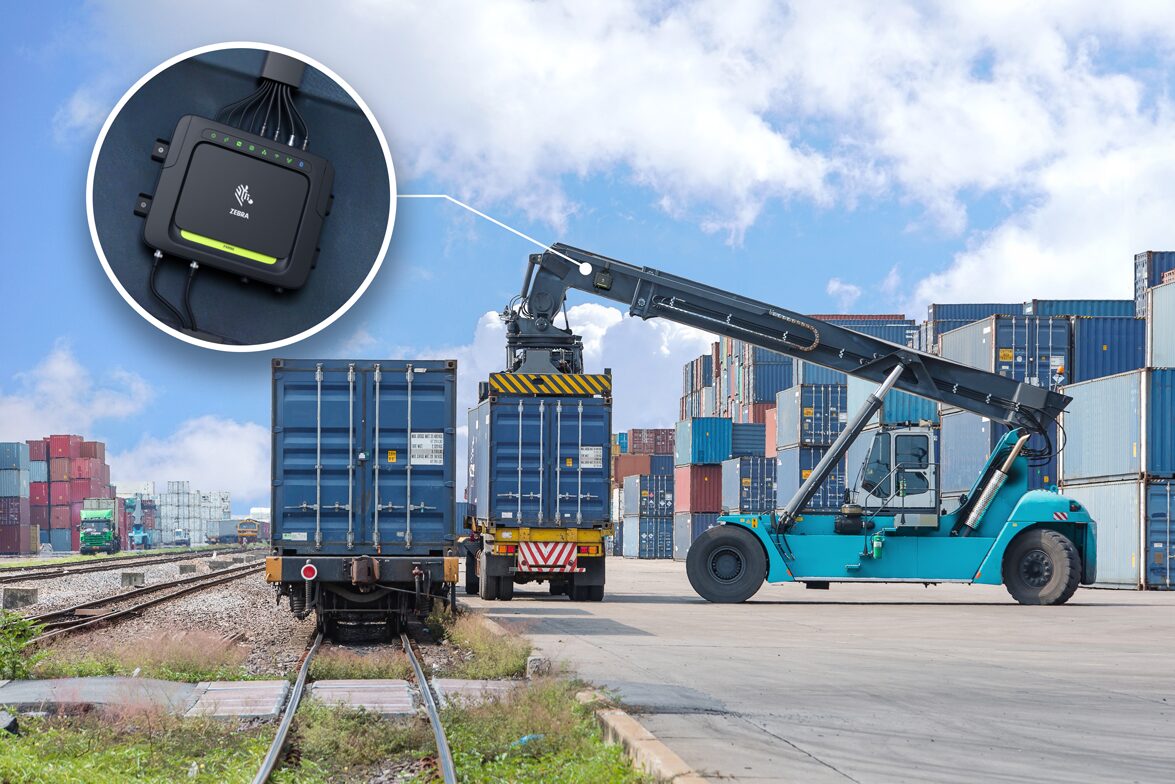
RFID Products
Handheld readers, fixed readers, antennas and RFID printing workflows
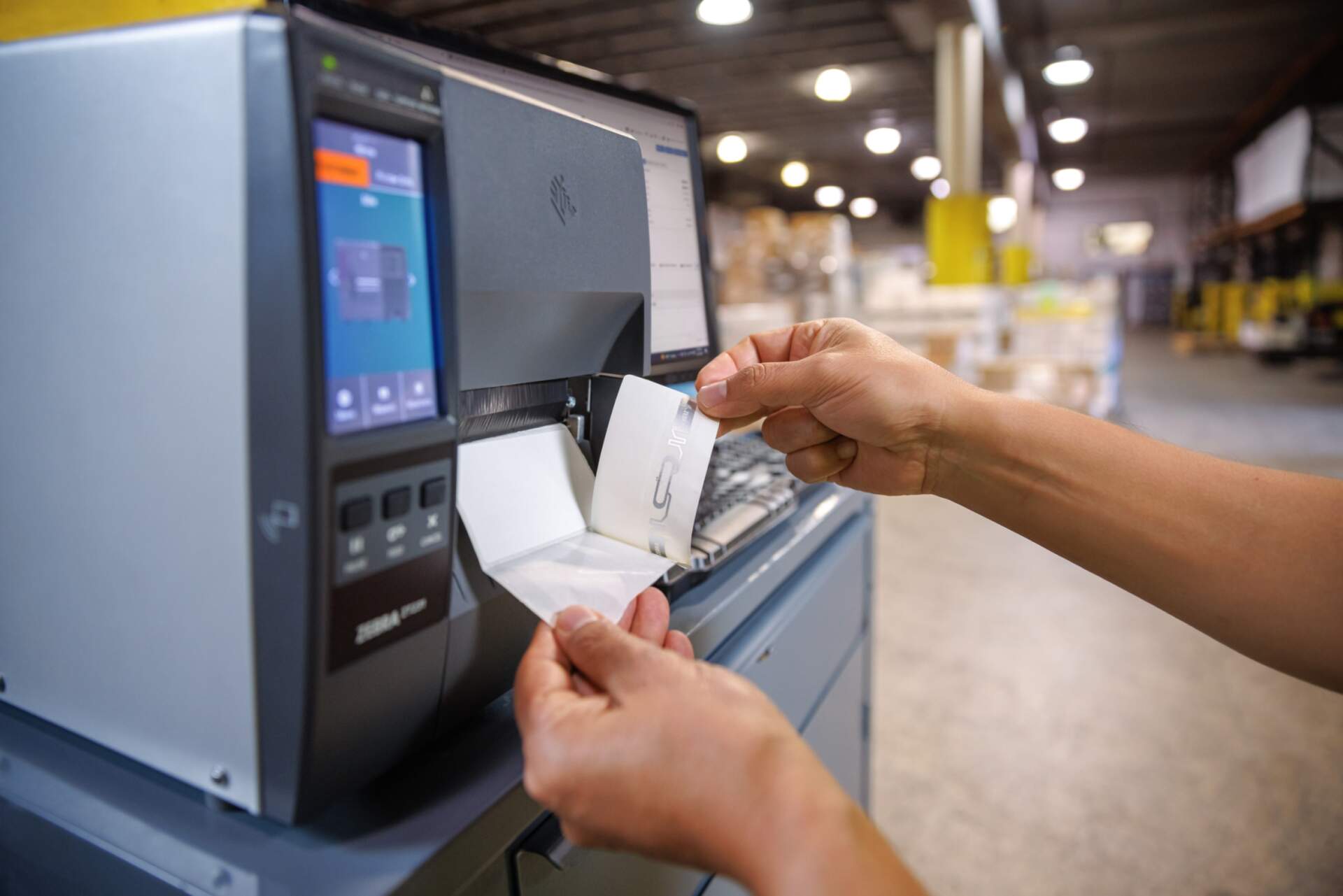
Labels & Ribbons
Compare RFID labels, barcode labels, durable materials and printing supplies
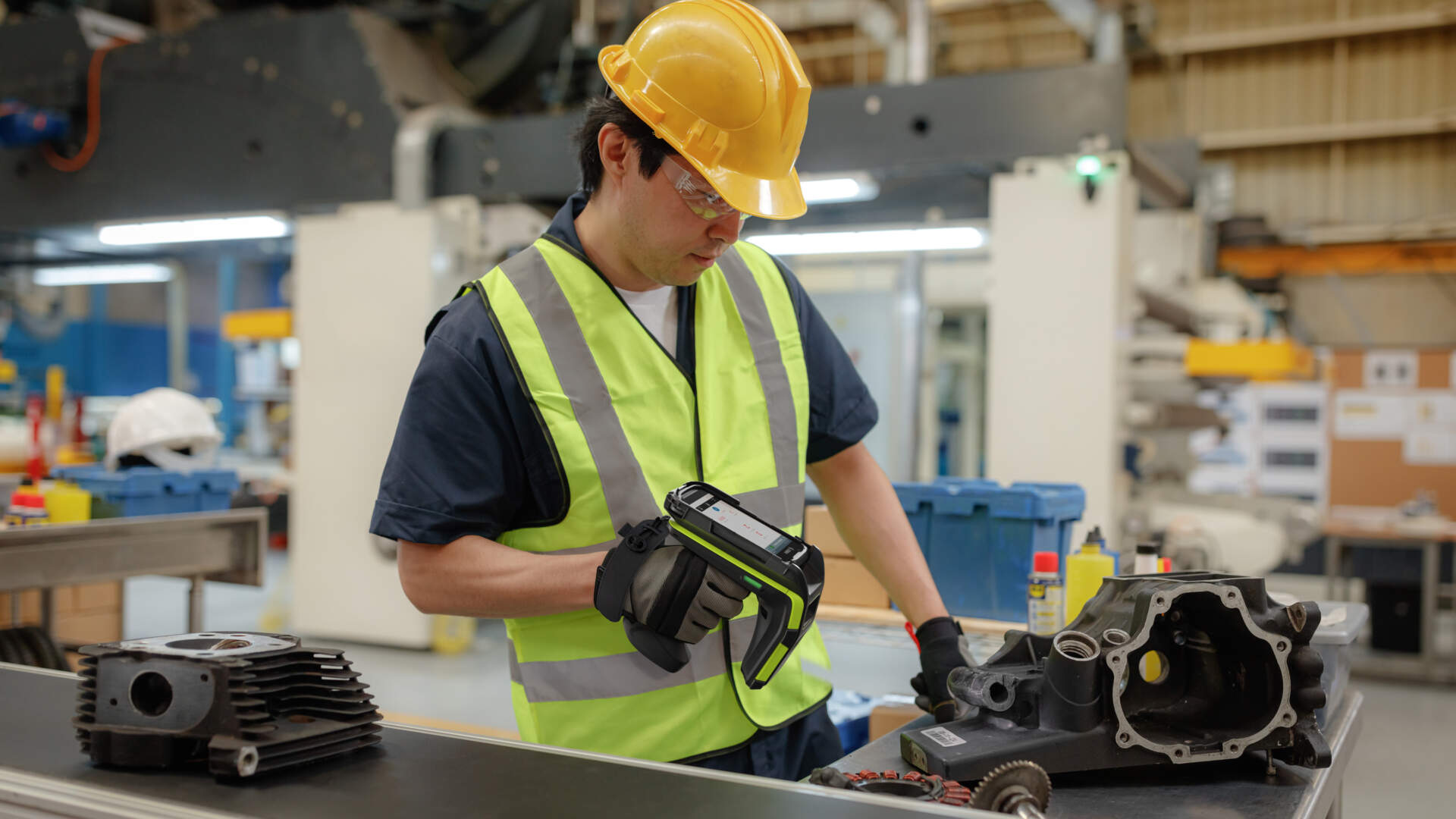
Mobile Computers
Evaluate handheld scanning, mobile stocktake and frontline data capture

Contact Easy Scan
Discuss RFID direction based on your site, goods and systems
RFID Basics FAQ
What is the main difference between RFID and barcodes?
Barcodes are usually read optically and require the scanner to see the label. RFID uses radio waves to read a tag, so many workflows do not require one-by-one line-of-sight scanning. RFID can be powerful, but it also needs more planning, testing and system integration.
Is RFID always better than barcodes?
No. If the workflow needs simple, low-cost, one-by-one confirmation, barcodes may be the better fit. RFID is more relevant when batch reading, faster stocktake, difficult label access or automated event capture matters.
Can RFID tags be used on metal or liquid products?
They can be evaluated, but not every tag will work. Metal, liquids, cold storage, humidity and packaging can all affect the read result, so suitable tags should be tested with real items and the real environment.
How should I choose between handheld and fixed RFID readers?
Handheld readers are useful for mobile stocktake, item search and frontline checks. Fixed readers are better for portals, conveyors, doorways or defined automatic read points. The right choice depends on the workflow and system connection.
Does RFID need to connect to a WMS, ERP or asset system?
Small tests can start with simpler data capture, but formal deployment usually needs RFID read events to connect with inventory, order, asset or operations systems. Without that connection, staff may still need to clean up the data manually.
What should I prepare before asking about an RFID solution?
Prepare item photos, dimensions, material, tag placement, read scenario, site photos, daily volume, current system and the problem you want to improve. Clear preparation helps narrow the tag, reader, antenna and test direction.
Want to know whether RFID fits your warehouse, retail or asset workflow in Hong Kong?
Share your site photos, goods information, workflow goals and current systems with Easy Scan. We can help you narrow the tag, reader, antenna, testing and integration direction.