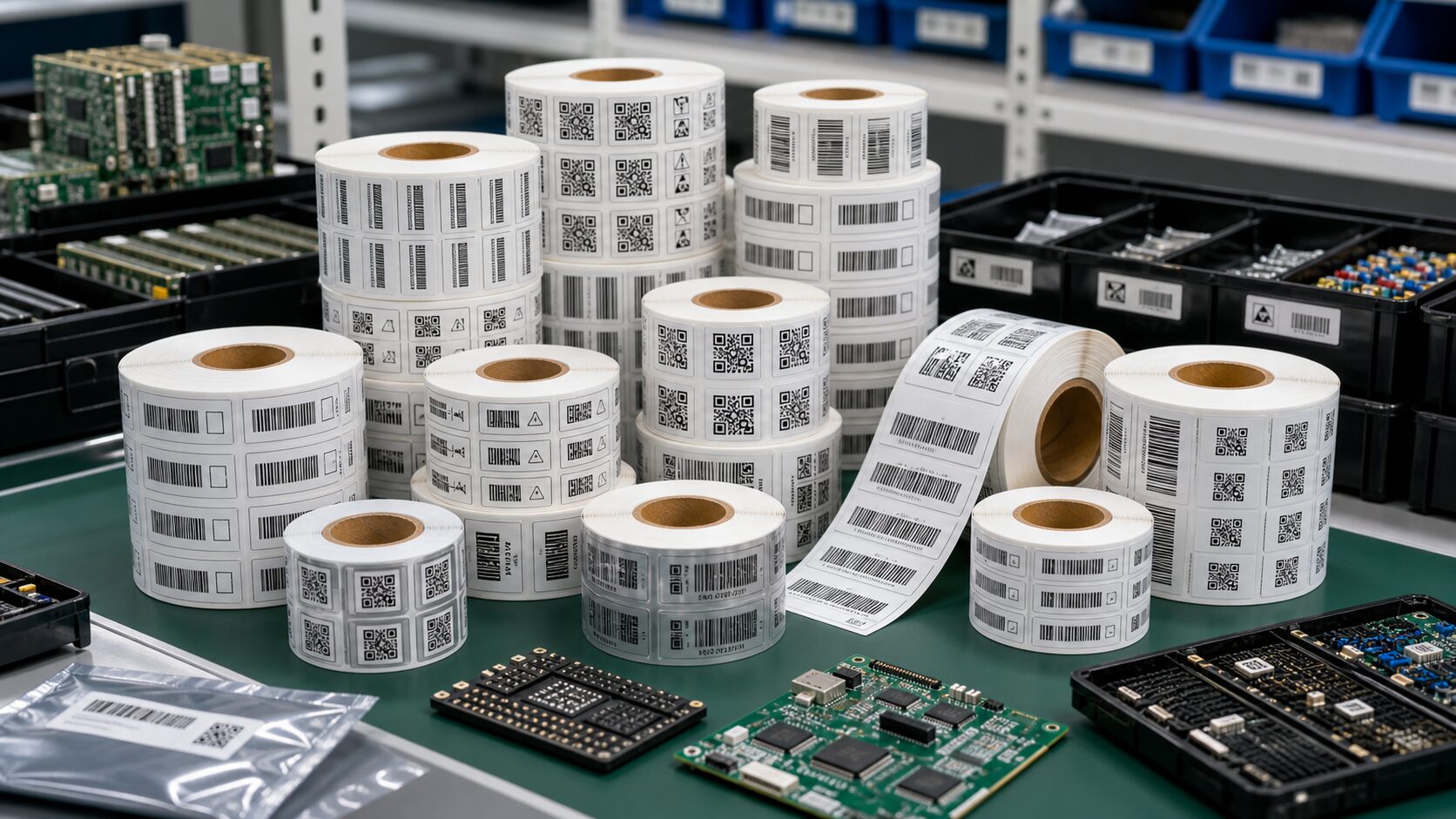
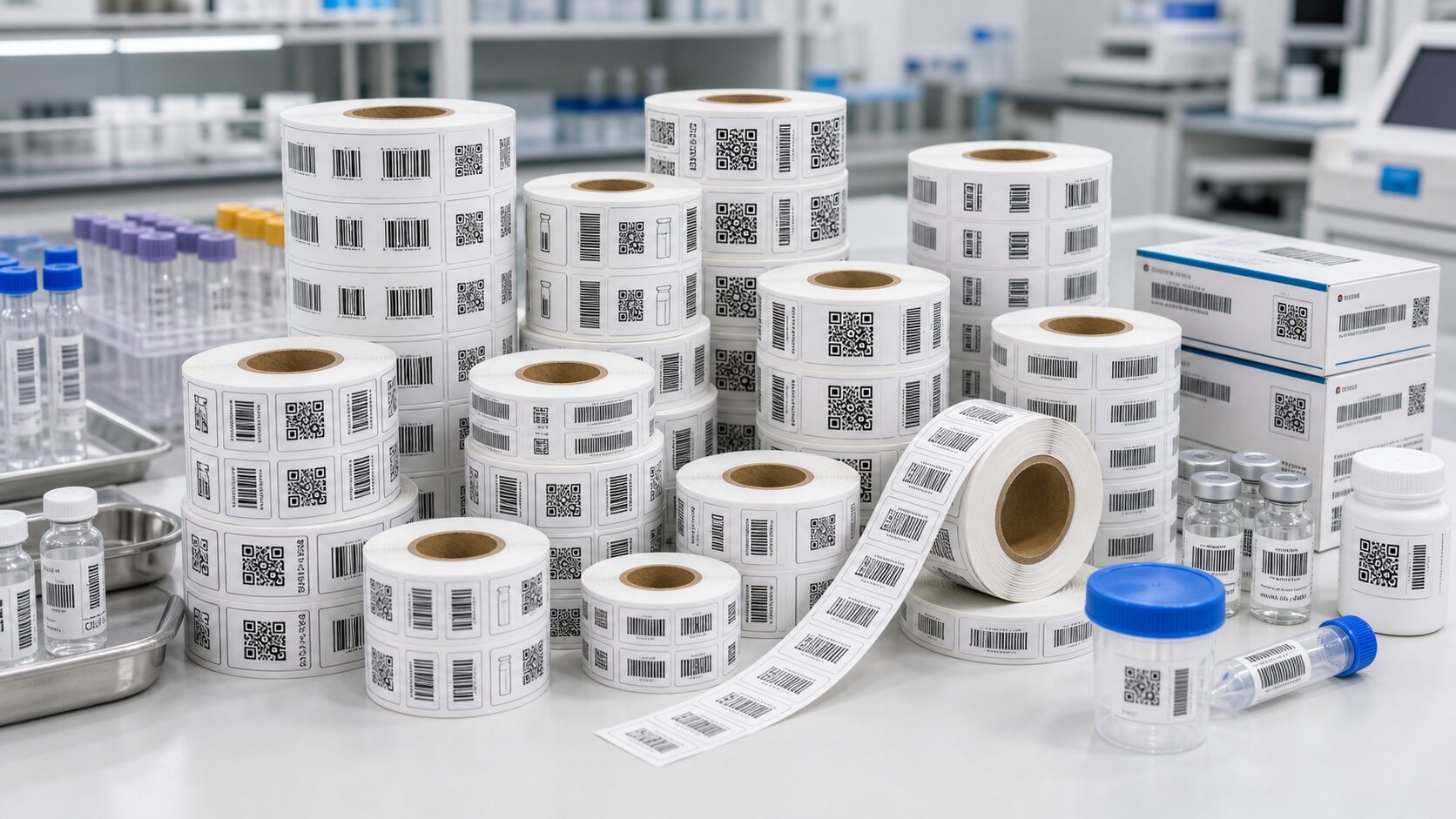
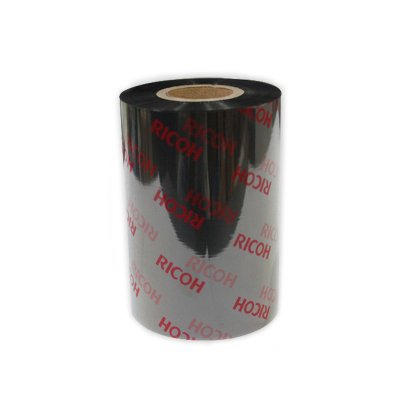
Barcode labels are used for product, shipping, inventory, asset and workflow tracking. Selection should confirm label size, material, adhesive, print method, ribbon, printer model and scanning environment.
- Direct thermal and thermal transfer label directions can be reviewed by use case.
- Suitable for product labels, carton labels, asset labels, hang tags and selected special materials.
- For enquiry, share a label sample, printer model, daily usage and application surface.
Barcode Labels
Barcode labels for product, shipping, inventory and asset workflows
Barcode labels turn product codes, SKUs, batch numbers, logistics references, asset IDs and QR codes into scannable labels. For Hong Kong business use, label selection should confirm size, material, adhesive, print method, ribbon fit, barcode content and scanning environment, not only whether the label has a barcode printed on it.
Product Visuals
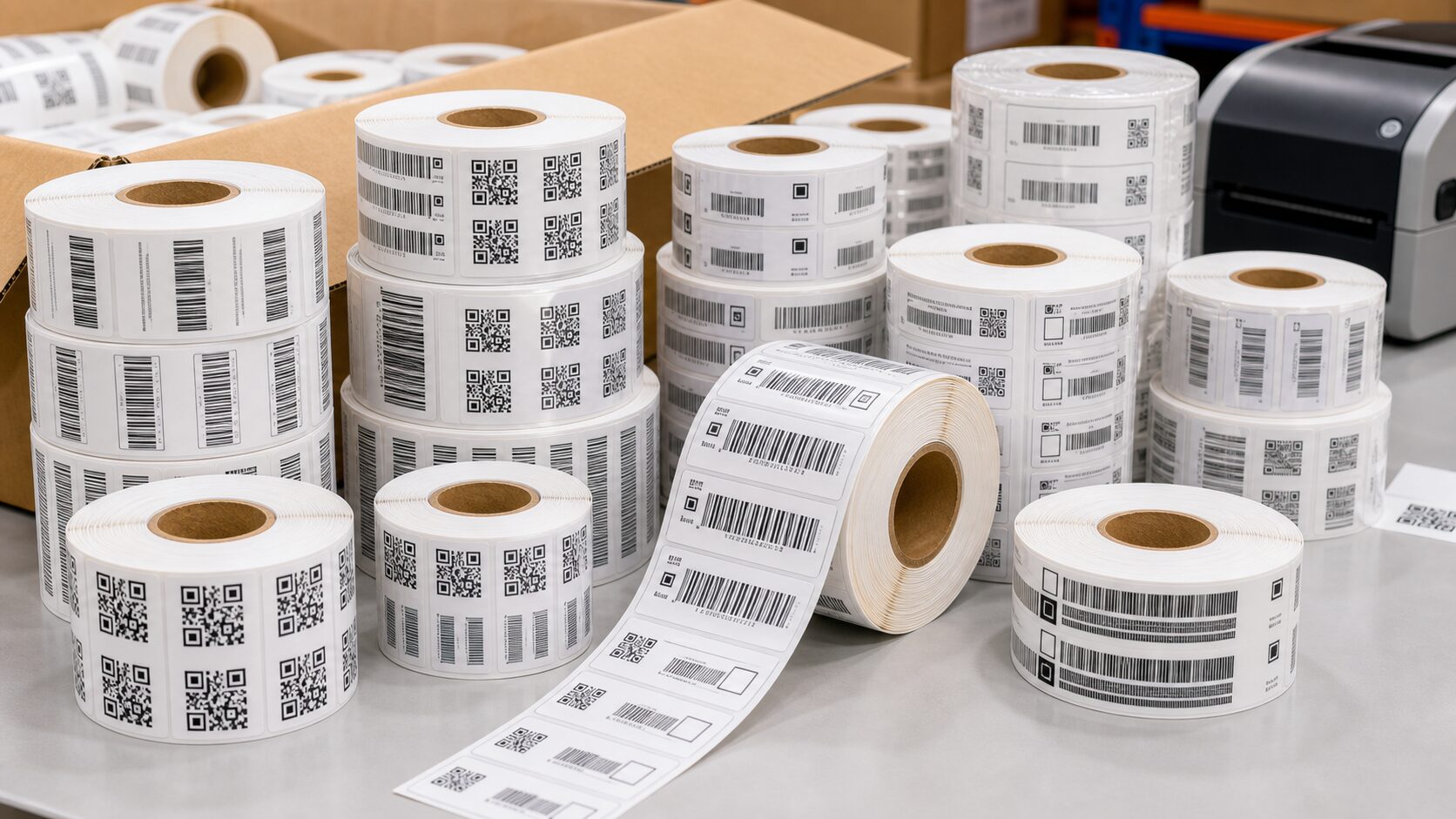
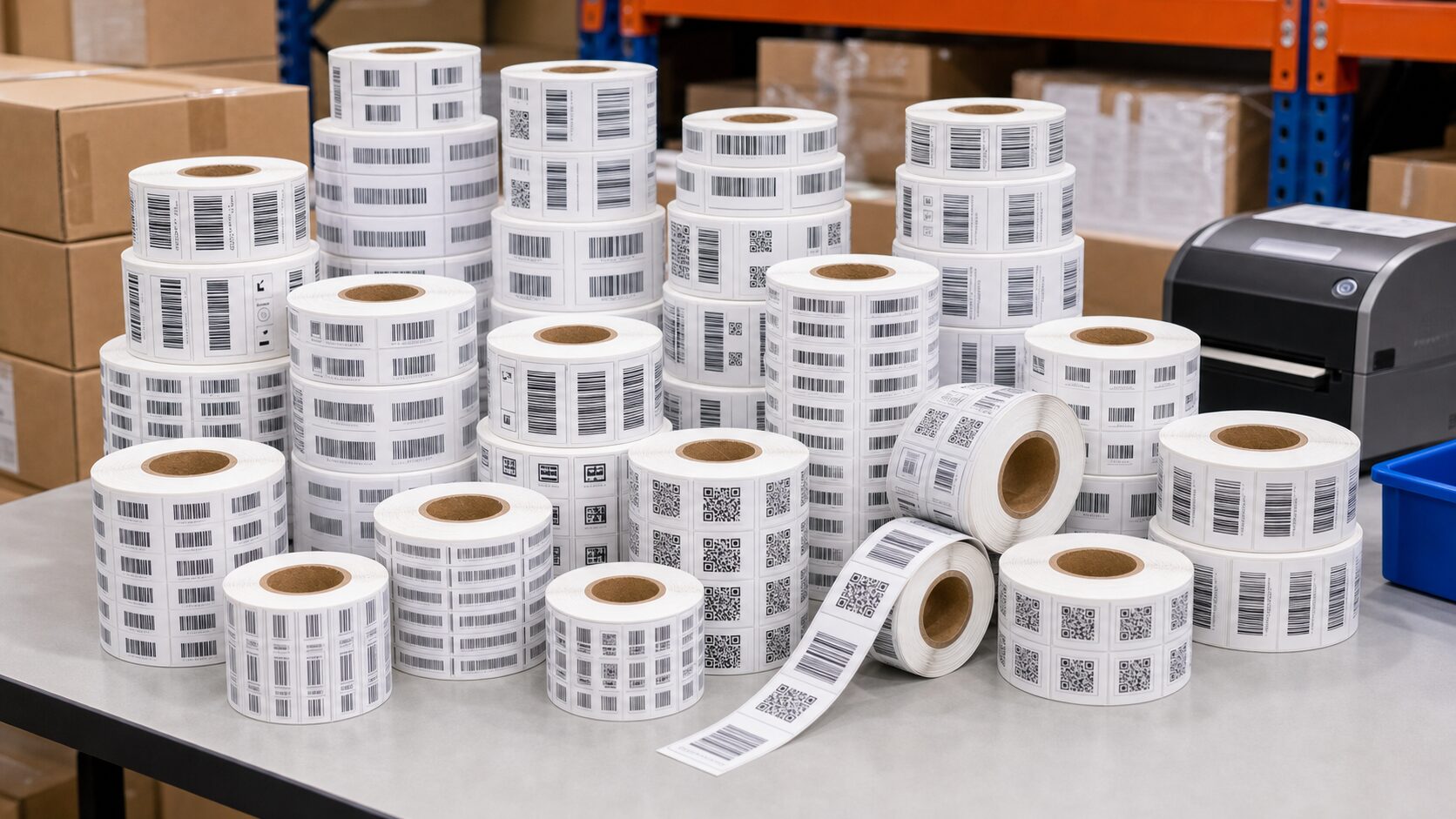
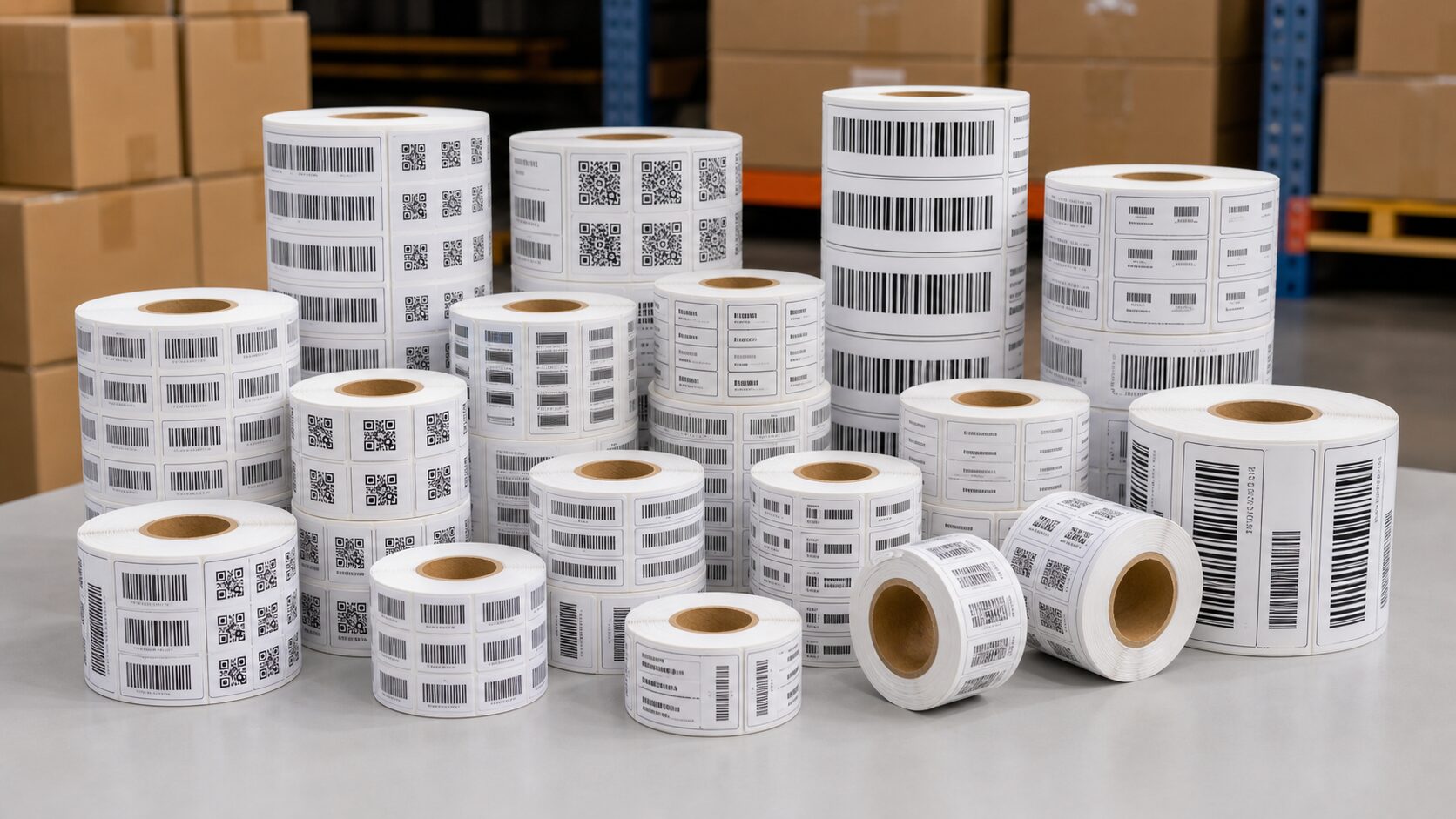
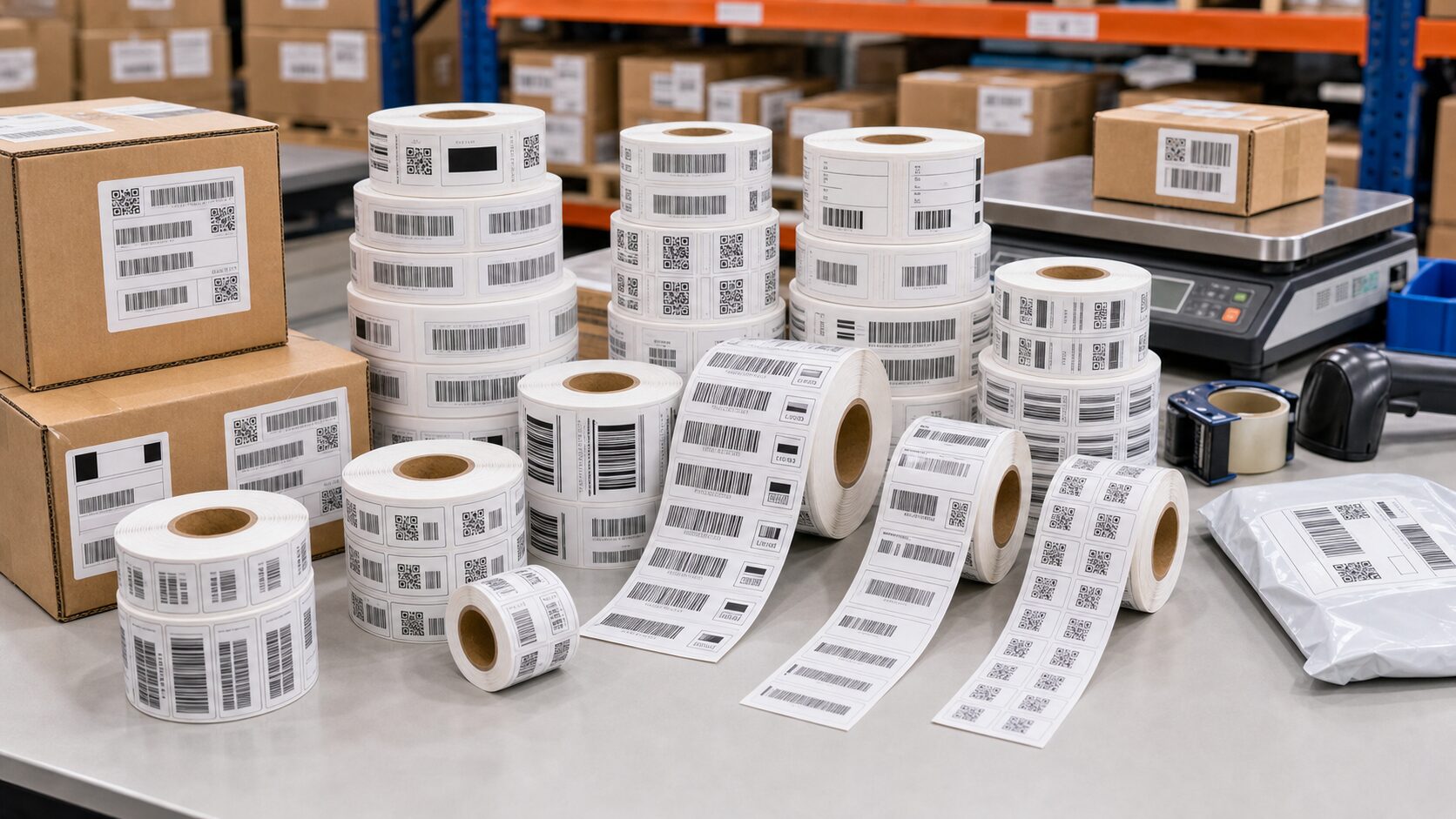
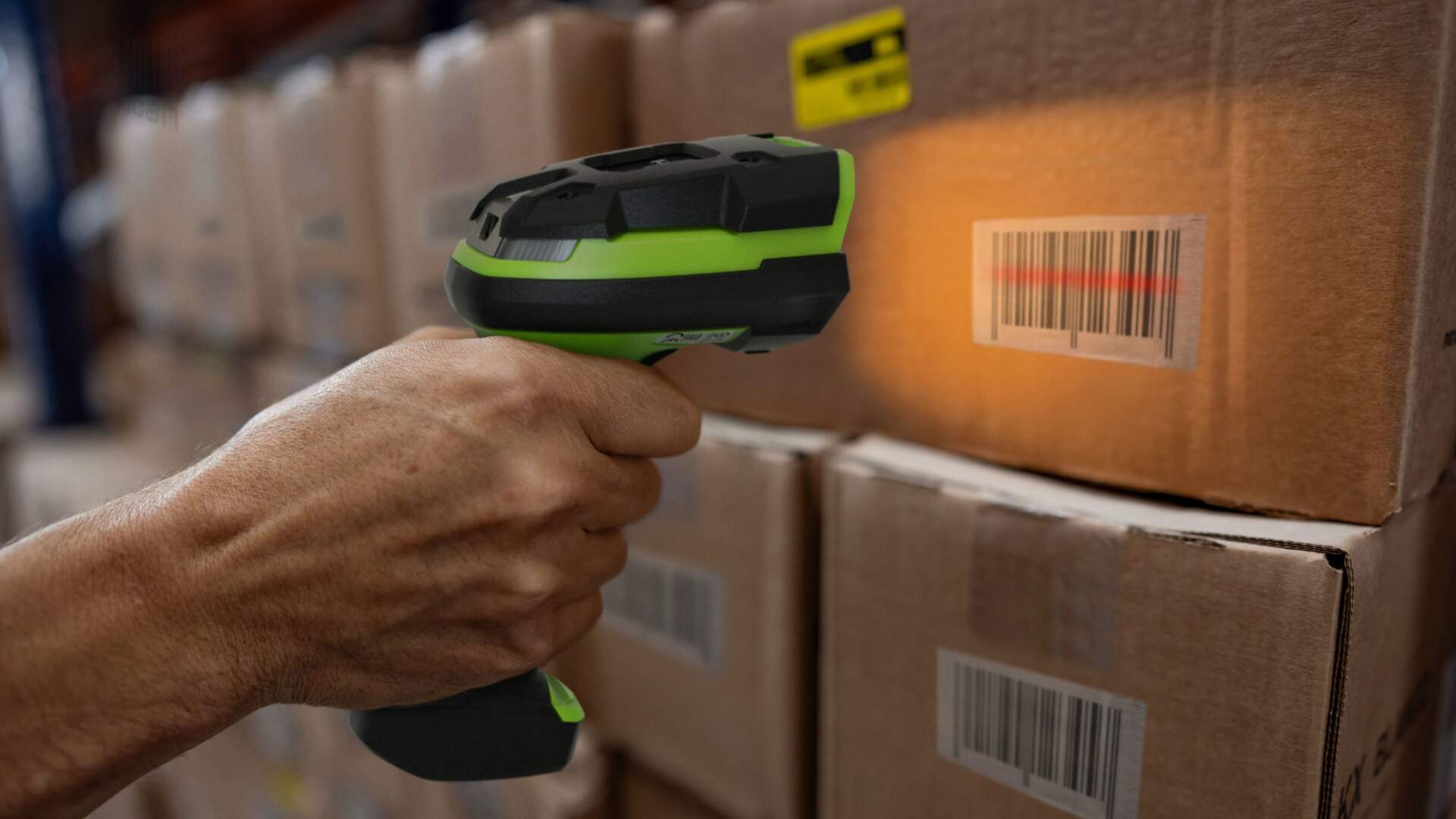
Use real labelling and scanning scenarios to judge label fit
A barcode label is the entry point for product data, logistics status and system records. Selection should consider placement, scan angle, label size, printed content and on-site workflow, not only the label stock itself.
Product Overview
A barcode label is a data entry point for frontline operations
A suitable barcode label has to work across printing, application, scanning, handling and storage. Retail shelf labels, warehouse carton labels, logistics shipping labels, asset labels, product hang tags, garment care labels and durable industrial labels each need different material, adhesive, ribbon and print-density decisions. Easy Scan can help Hong Kong businesses narrow the right direction based on workflow, label samples, printer model and scanner reading conditions.
If labels need to remain readable for longer, face abrasion, or be applied to plastic crates, metal, glass, cartons, curved surfaces or cold environments, the face stock, adhesive and ribbon combination should be tested first. For short-life shipping, receipt or price labels, direct thermal media may be suitable. Before quotation, please prepare current label size, roll core, print sample, daily volume, printer model and operating environment.
Selection Logic
Key checks before choosing barcode labels
Label purpose
Separate product labels, carton labels, shipping labels, shelf labels, asset labels, hang tags and care labels instead of using one material for every workflow.
Size and roll core
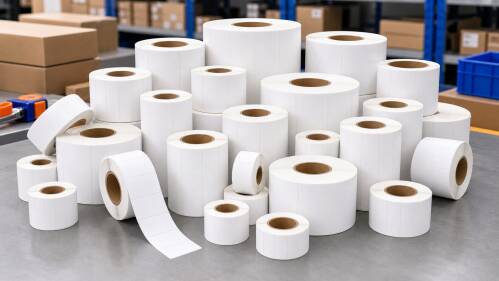
Label width, length, labels per roll, core size and output direction must fit the printer, sensor and labelling method.
Material and adhesive
Paper, synthetic paper, PET, PP, PVC, removable adhesive, destructible labels and high-temperature labels should match the surface and environment.
Print method
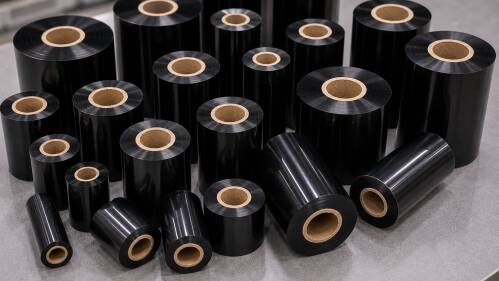
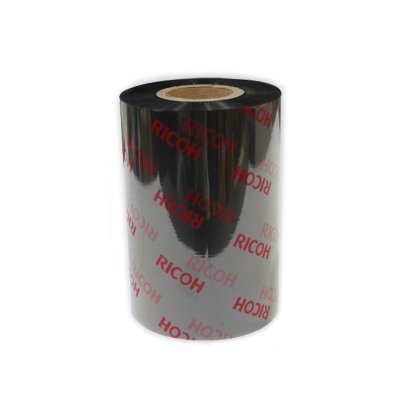
Direct thermal is often used for shorter-life labels. Thermal transfer uses ribbon and is commonly considered for more durable or longer-life labels.
Barcode content
1D barcodes, QR codes, batches, dates, serial numbers, Chinese text, logos and variable data affect label size, resolution and software setup.
Scanner and system fit
Printed labels should be readable by the current barcode scanner, mobile computer, POS, WMS, ERP or label design software workflow.
Operating environment
Warehouse, cold-chain, outdoor, manufacturing, retail back-room and office environments affect abrasion, water, oil, temperature and adhesive choices.
Reordering and support
Labels are recurring consumables, so ongoing supply, printer setup, ribbon matching and local technical support should be considered early.
Material Fit
Common barcode label material directions
The groups below are for initial selection only. They do not mean every size, material or adhesive is available or suitable for every printer. Final selection should be checked against samples, printer model, application surface and operating environment.
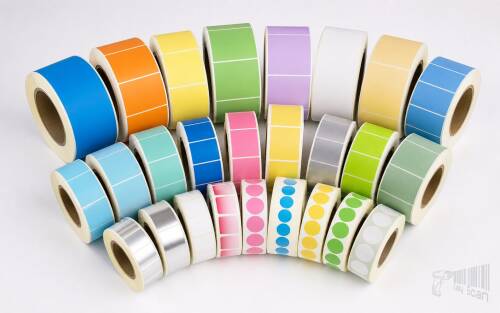
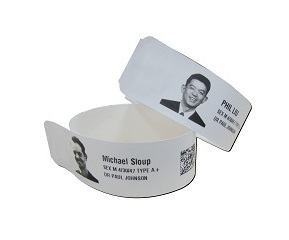
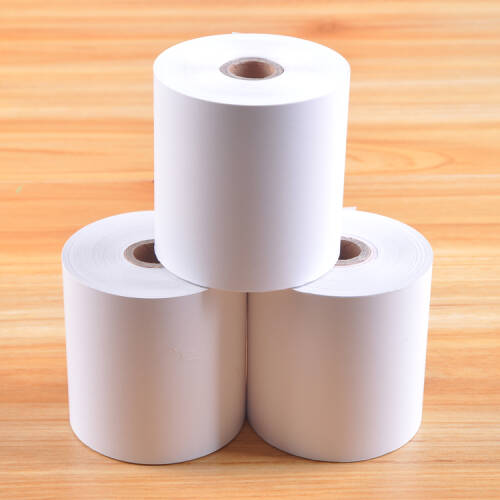
Direct thermal paper
PET / synthetic paper
PVC / PP
Removable adhesive
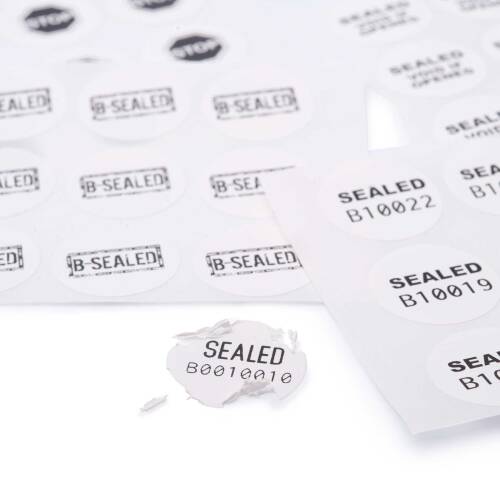
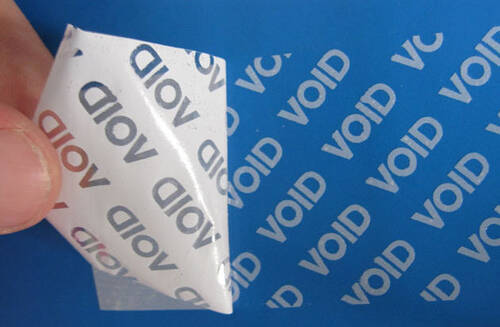
Destructible label
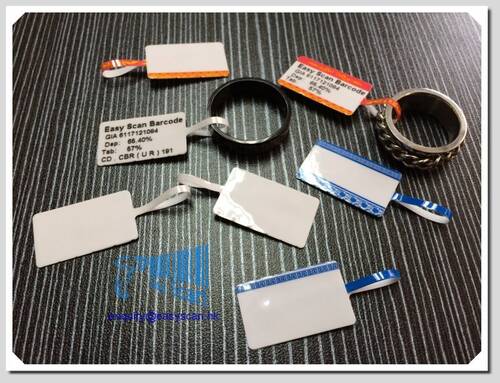
Hang tag / card stock
Care label
High-temperature label
Applications
Common barcode label uses for Hong Kong businesses
Retail and product management
Product codes, price labels, shelf labels, hang tags, replenishment and stock transfer labels need clear printing and reliable scanning.
Warehouse and logistics
Receiving, put-away, picking, packing, shipping, carton, pallet and return labels depend on scan reliability and consistent system data.
Manufacturing and tracking
Batch, serial, WIP, QC, equipment, tool and fixed-asset labels often require abrasion resistance, label life and environmental checks.
Service and special materials
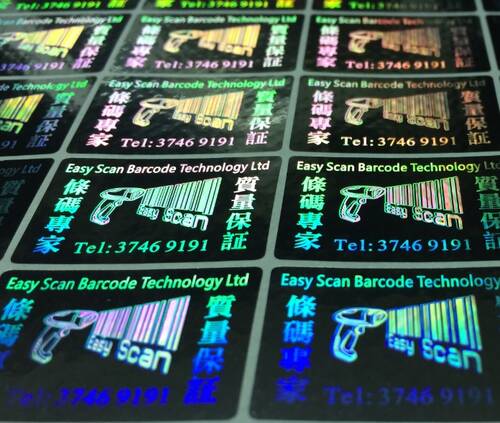
Removable labels, tamper-evident labels, care labels, card-stock tags and high-temperature labels should be tested by material and print method.
Workflow Fit
Labels should be matched with printers, ribbons, scanners and software
| Check item | Why it matters | Useful details to provide |
|---|---|---|
| Printer model | Determines label width, roll core, sensor position, direct thermal / thermal transfer and ribbon direction. | Brand, model, current label photo or internal printer photo. |
| Label sample | A physical sample helps confirm size, adhesive, face stock, output direction and barcode density. | Sample, photo, dimensions, application surface and label life. |
| Print content | Text size, barcode type, QR code, batch and variable data affect resolution and layout. | PDF / Excel / system fields, existing label artwork or barcode sample. |
| Scanning environment | A label can look clear but still fail in the field because of distance, angle, surface or lighting. | Scanner model, scan distance, location and failed samples. |
| System workflow | POS, ERP, WMS or label design software output affects template and printing method. | Software used, data source and whether multiple workstations are involved. |
FAQ
Barcode label FAQ
Should barcode labels use direct thermal or thermal transfer?
It depends on label life, operating environment and durability requirements. Short-life shipping or price labels may use direct thermal media. More durable or longer-life labels are often checked with thermal transfer printing and the correct ribbon.
Can Easy Scan match labels to an existing printer?
Yes, subject to printer brand and model, label width, roll core, output direction, sensor position, print method and ribbon requirement. Photos of the current label and printer are useful for review.
What is the difference between PET, synthetic paper and normal paper labels?
Normal paper labels suit general product and logistics uses. PET or synthetic labels are usually considered when water, oil, abrasion or longer durability is needed. The final result still depends on face stock, adhesive, ribbon and application surface.
Can barcode labels work with WMS, ERP or POS systems?
They can be reviewed as part of the workflow. The key checks are whether the system outputs the right data, the label software applies the template correctly, the printer connection is stable and the scanner reads the barcode content.
What should I prepare before asking for barcode label advice?
Prepare label size, daily usage, application surface, label life, current printer model, ribbon requirement, label sample, barcode content and use case. If details are unclear, photos and samples can be used for an initial discussion.
Next Step
Need help matching barcode labels, ribbons or print workflows?
Share your current label sample, printer model, application and daily usage. Easy Scan can help narrow the suitable label material, print method, ribbon and related equipment direction.
| Brand | Easy Scan |
|---|---|
| Product Type | Barcode label / label consumable |
| Label Application | Product, carton, logistics, inventory, asset and workflow labels |
| Selection Factors | Size, material, adhesive, print method, ribbon fit, barcode content, printer and scanner workflow |
FAQ
Should barcode labels use direct thermal or thermal transfer?
It depends on label life, operating environment and durability requirements. Short-life shipping or price labels may use direct thermal media. More durable or longer-life labels are often checked with thermal transfer printing and the correct ribbon.
Can Easy Scan match labels to an existing barcode printer?
Yes, subject to printer brand and model, label width, roll core, output direction, sensor position, print method and ribbon requirement. Photos of the current label and printer are useful for review.
What should I prepare before asking for barcode label advice?
Prepare label size, daily usage, application surface, label life, current printer model, ribbon requirement, label sample, barcode content and use case. If details are unclear, photos and samples can be used for an initial discussion.
What is the difference between PET, synthetic paper and normal paper labels?
Normal paper labels suit general product and logistics uses. PET or synthetic labels are usually considered when water, oil, abrasion or longer durability is needed. The final result still depends on face stock, adhesive, ribbon and application surface.
Can barcode labels work with WMS, ERP or POS systems?
They can be reviewed as part of the workflow. The key checks are whether the system outputs the right data, the label software applies the template correctly, the printer connection is stable and the scanner reads the barcode content.
Does a clear printed barcode always scan successfully?
No. Barcode size, contrast, print resolution, curved surfaces, reflection, scan distance, angle and site lighting can all affect readability. Important labels should be checked with the actual scanner and workflow.
Leave Your Message